Water Extraction
Standing water removed with pumps and extraction tools, then measured so hidden moisture does not stay behind.
- Source and category assessed first
- Photos and readings from the start
- Drying verified, not assumed
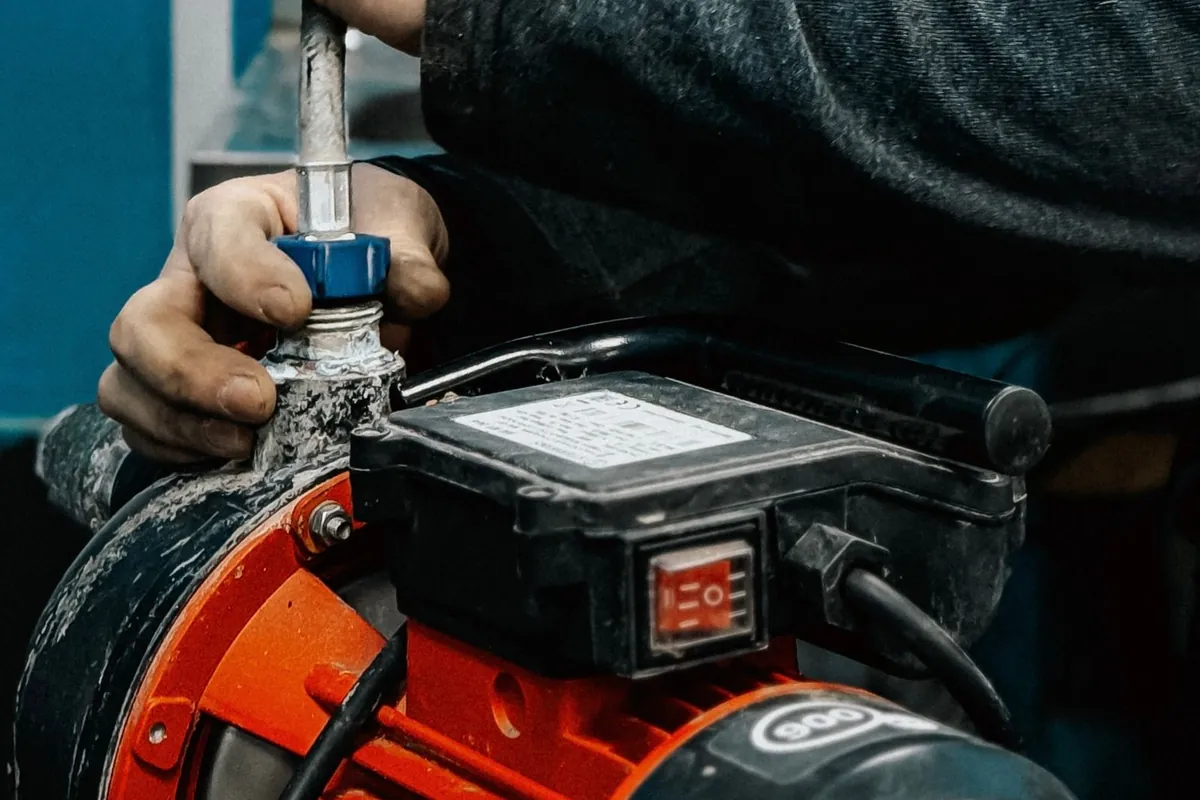
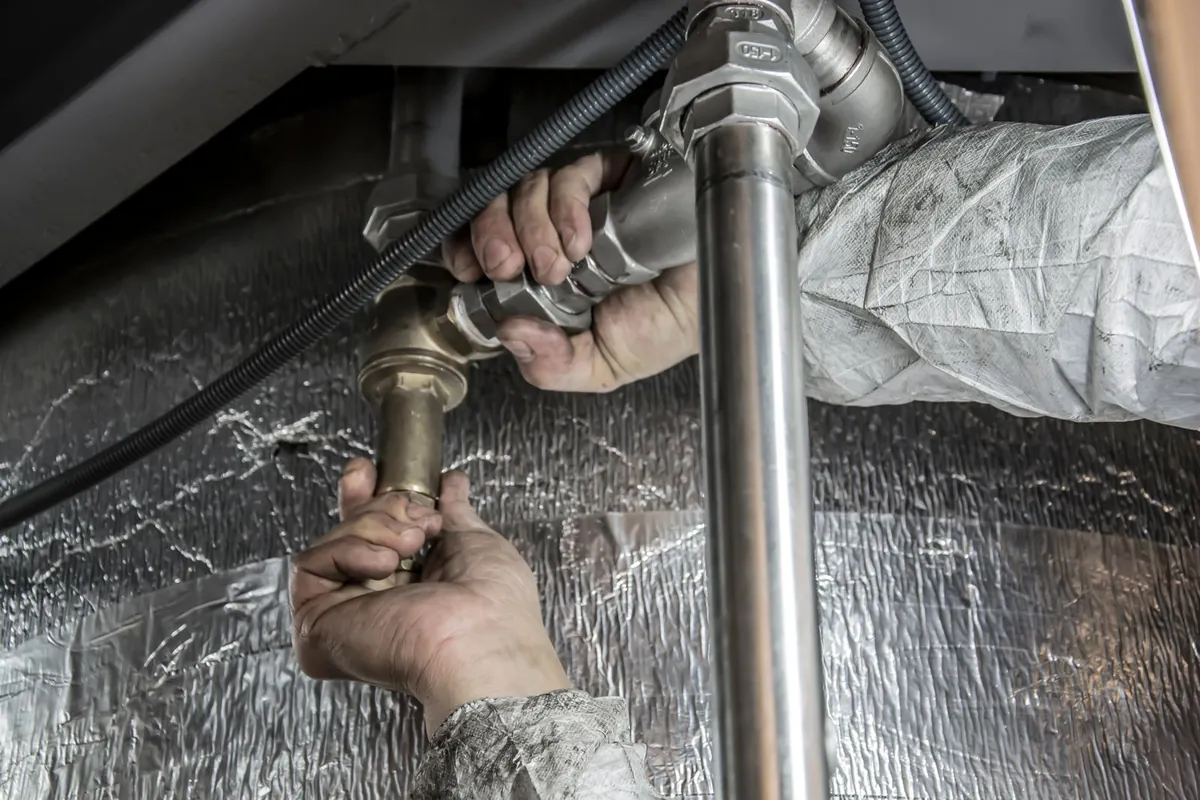
If water has spread through your Arizona home or business, we extract it, dry the structure with measured readings, and document every step. You get a written scope before repair work begins and photo records you can hand to your insurer.
When you call, we'll ask
When you have water damage in Arizona, call us and we will help you stop the source, extract standing water, and start measured drying with daily moisture readings. You get a written scope before repair work begins, plus photo records and logs you can hand straight to your insurer.
Water does not stay where it lands. It wicks up drywall and framing, spreads under tile and wood floors, and can travel through slab cracks and into wall cavities far from the visible puddle. That is why a small leak on the surface can mean wet insulation, baseboards and studs several feet away.
A surface that feels dry is not the same as a structure that is dry. Moisture held inside walls, under flooring and in the slab can keep feeding damage long after the top layer looks fine. We use meter readings in the materials themselves, taken daily, to decide what is actually dry and what still needs time and airflow.
It is a desert myth that Arizona homes will simply dry themselves. Indoors is different: air conditioning, closed windows and sealed construction trap moisture inside wall and floor assemblies, especially in summer. In warm conditions, mould can begin within 24–48 hours, so prompt extraction and controlled drying matter more than waiting and hoping.
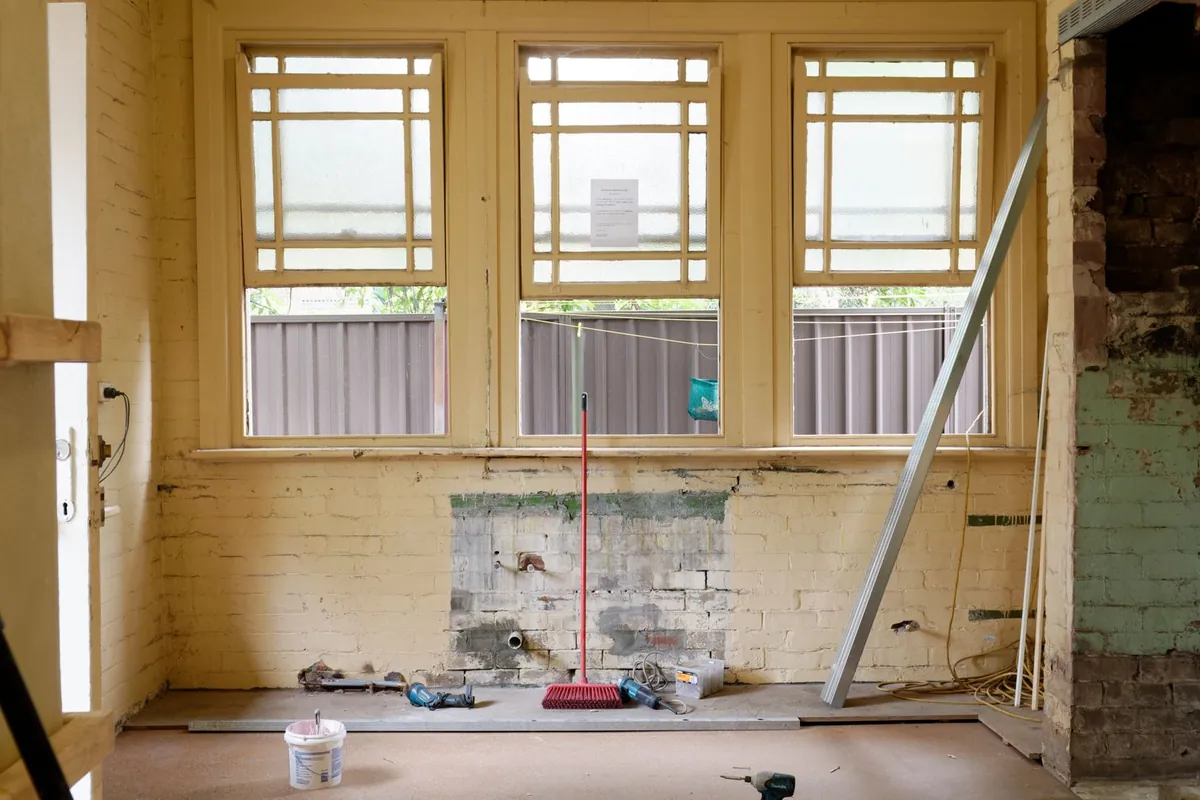
From the first extraction to the final coat of paint, the same service handles the whole loss — mitigation, drying, mold, and the rebuild.
Standing water removed with pumps and extraction tools, then measured so hidden moisture does not stay behind.
Walls, floors and cabinets dried to a measured dry standard, with readings logged every day.
Cleanup after supply line, appliance and water heater leaks, dried and documented from the source outward.
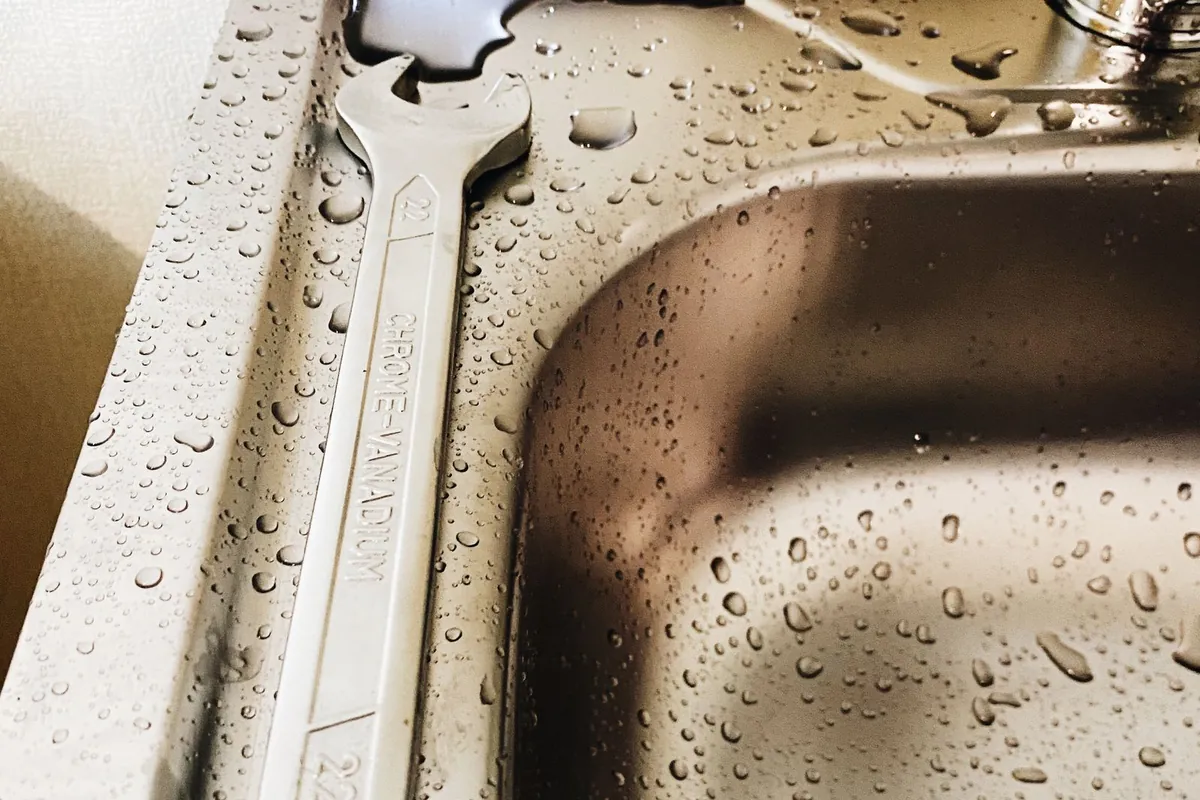
Rising water handled as Category 3: safe extraction, contaminated materials out, structure sanitised and dried.
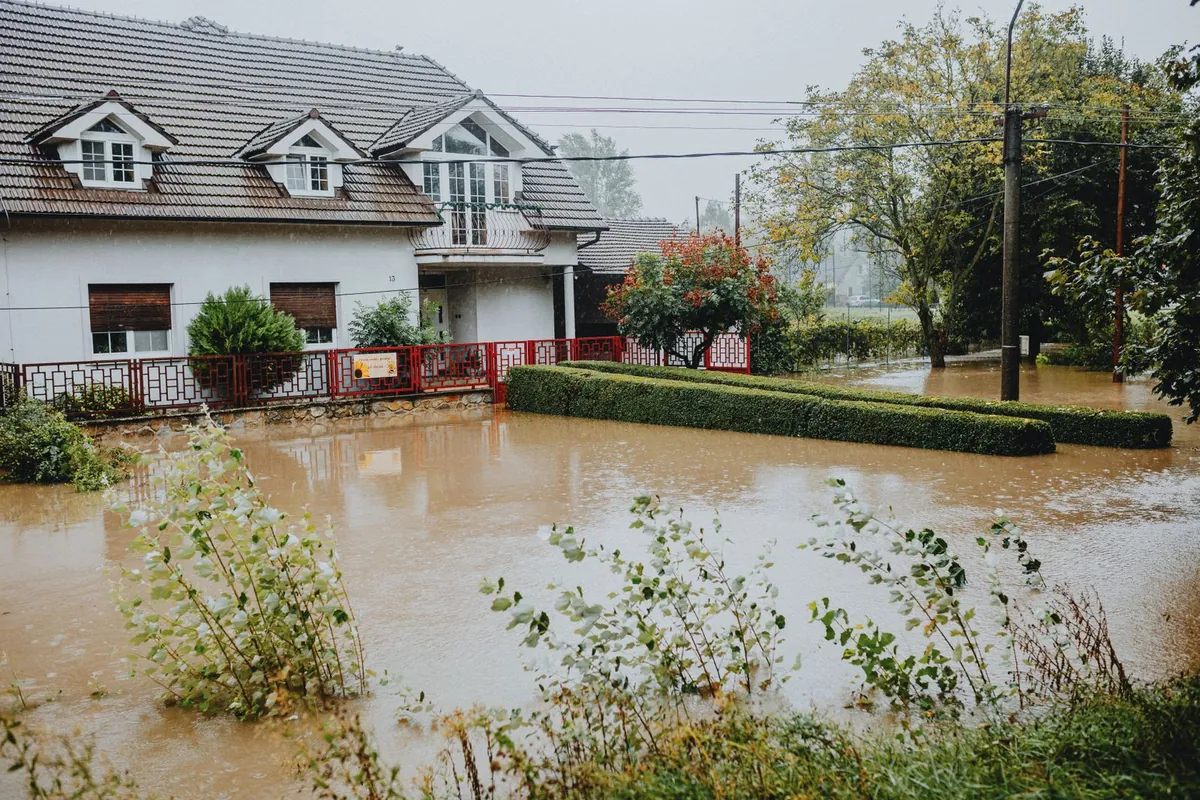
Contained, S520-based mould removal that starts with fixing the moisture source — and honest advice when no big job is needed.
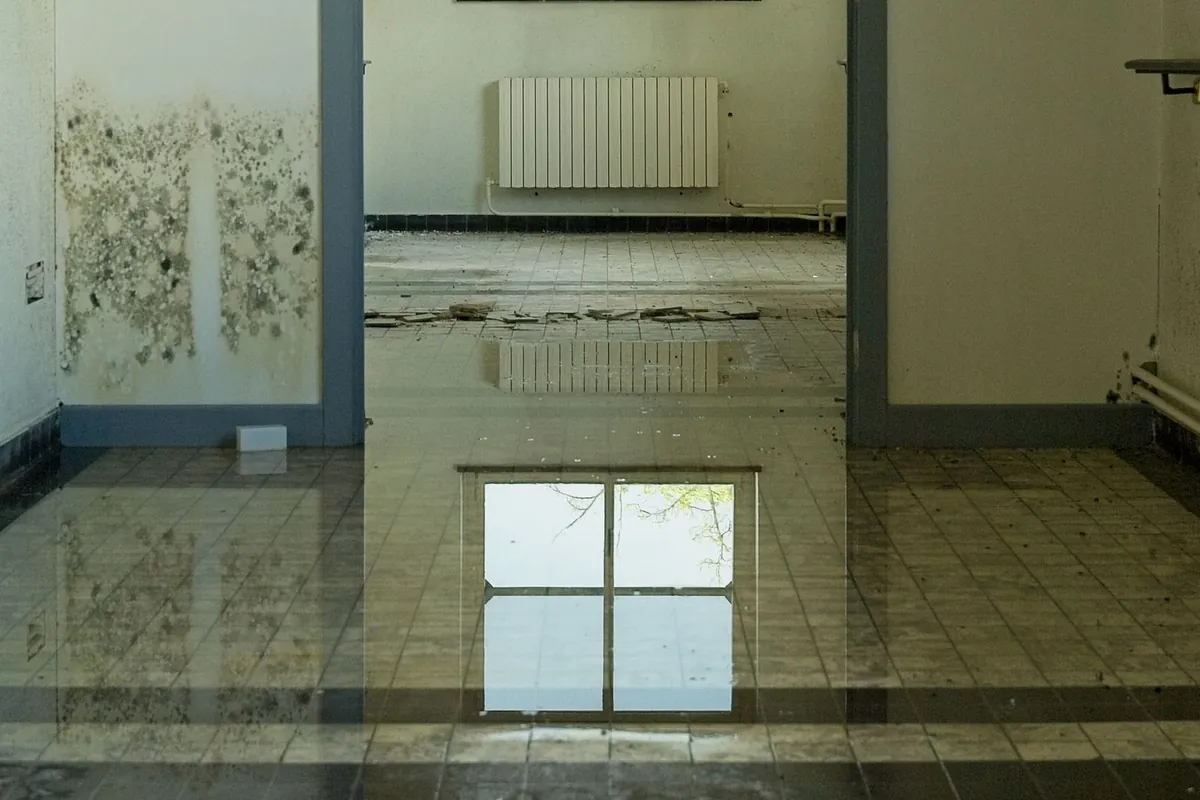
Rooms put back after drying: drywall, flooring, trim and cabinets from an itemised written scope.
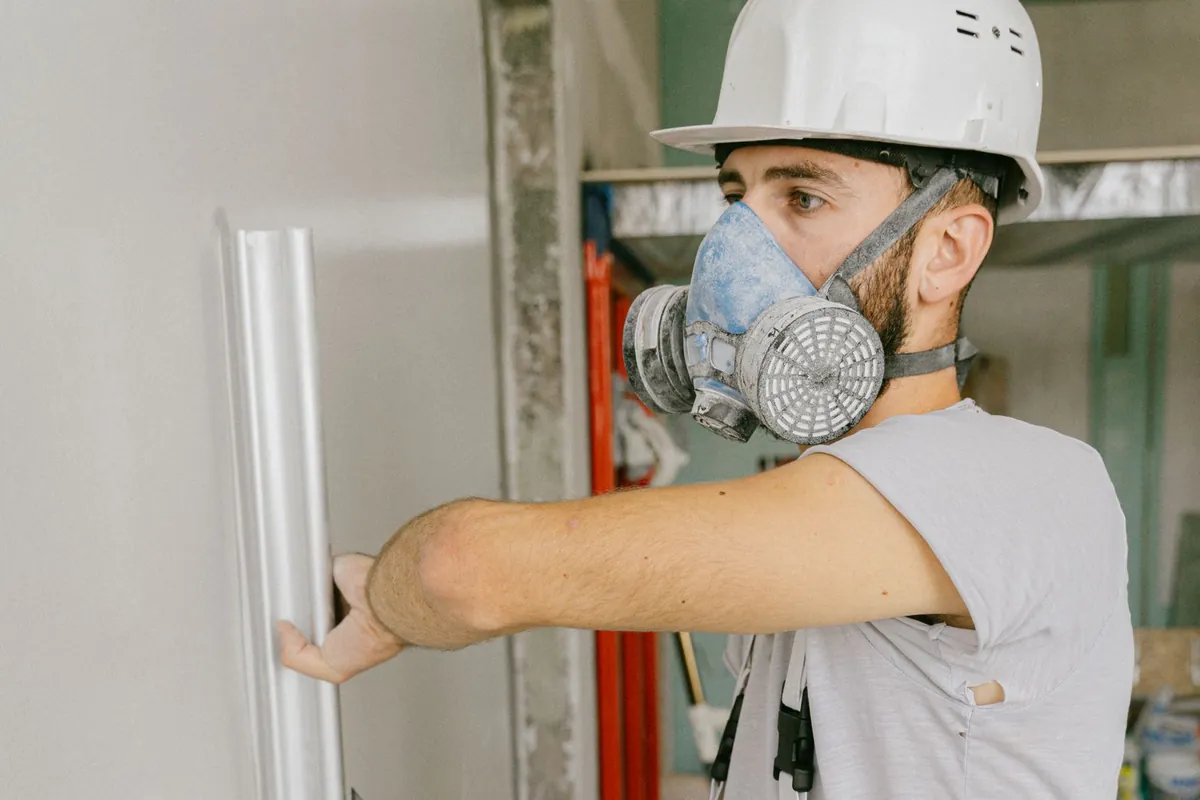
Moisture mapping, drying and documentation for leaks under concrete slabs in slab-on-grade Arizona homes.
Homes and businesses, owners and renters
We work for homeowners, renters, landlords, property managers, offices, shops and restaurants across Arizona, and the paperwork is tailored to who needs it. Homeowners usually need clear records for their insurer, landlords and managers need documentation for tenants and files as well, and businesses often need records that show when areas were dried, repaired and safe to reopen.
We show you the moisture readings and explain what they mean, rather than asking you to take drying on trust.
The scope is written and itemised before repair work begins, so you know what is included and what it covers.
We protect floors, furniture and belongings, contain our work areas, and keep the disruption as contained as we can.
Photos, readings and daily logs are kept as we go, giving you a clear record to share with your insurer.
We quote per job, in writing, after inspection and moisture mapping. Every home, leak and category of water is different, so a responsible price has to come from what we actually find in your rooms and materials.
For comparison only, the published market figures below come from named sources. They are not our quote — they are there so you can sense-check any quote you receive, including ours, against the wider Arizona market.
Arizona market ranges
Figures are published by the named sources above (checked October 2026) so you can sanity-check any quote, including ours.
We help you stop the water, shut off supply where needed, and check for hazards before work starts.
We inspect every affected area, take meter readings, and map how far moisture has travelled through materials.
We extract standing water and remove materials that cannot be dried or cleaned safely, explaining each decision.
We set drying equipment, take daily readings, and adjust placement and airflow until readings show the structure is dry.
We complete repairs from the written scope and hand back the space with final readings and photos for your records.
Many Arizona homes are slab-on-grade, with supply lines in or under the slab. A slab leak can run unseen until a water bill spikes, a floor feels warm, or tile starts to lift.
Arizona's monsoon season runs Jun 15–Sep 30, bringing intense rain, wash flooding, roof failures and wind-driven rain that can push water under doors and through damaged roofing in minutes.
Hard water shortens water heater life, and heaters, washing machines and dishwashers all depend on supply lines and valves that can fail suddenly and soak garages, closets and adjoining rooms.
Leaks under sinks, from AC condensate lines and from cooler lines can drip for weeks before anyone notices. Often the first signs are a musty smell, a warped floor or paint that starts to bubble.
Sample reviews, written to show the kind of work we do — they will be replaced with verified customer reviews as they are collected.
Arizona Water Damage Pros is based in Phoenix and serves 25 cities statewide — each with its own page, because a Flagstaff freeze and a Yuma snowbird leak are not the same job.
Don't see your town? Crews route across the state — call (855) 981-1210 and ask. More cities are added as local demand is proven.
It depends on the water category and how many square feet are wet. Published market ranges run $3–$7.50 per square foot by category, from the sources named on this page. Our price is set by a written scope after inspection, so you see the itemised cost before work begins. See our cost guide for the full breakdown.
Call now and we will aim for same-day extraction across our service cities in most cases. Timing depends on where you are and what else is underway that day. If water is still spreading, shut off the main supply if it is safe to do so, keep clear of electrical hazards, and move what you can.
Standard homeowners policies generally cover sudden, accidental discharge from plumbing or appliances, according to the Insurance Information Institute. Flooding from outside and gradual leaks that developed over time are generally not covered. Document everything with photos and readings from the start, because your specific policy wording and your insurer will decide what is paid.
Most rooms take typically 3–5 days to dry, but we go by daily moisture readings, not a calendar guess. Materials, humidity, and how long things stayed wet all change the timeline. We check readings each day, adjust equipment as needed, and only remove it when readings show the structure is actually dry.
Often yes, if it is a clean-water loss affecting only part of the home. Category 3 water, sewage, or a whole-home loss may mean temporary relocation for health and safety. Your insurer's loss-of-use coverage may help with extra living costs, so ask them early and keep receipts for everything.
One call tells us what happened, where you are, and what the water touched — and gets the drying started before the damage spreads.
Call, or send the form and we'll call you back. If water is still spreading, shut the water off at the main if you can do it safely — then call.