Slab Leak Repair in Arizona
A leak under a concrete slab can run for months before it shows. We map the moisture it has caused, dry the home to a verified standard, and document the loss while detection and repair options are decided.
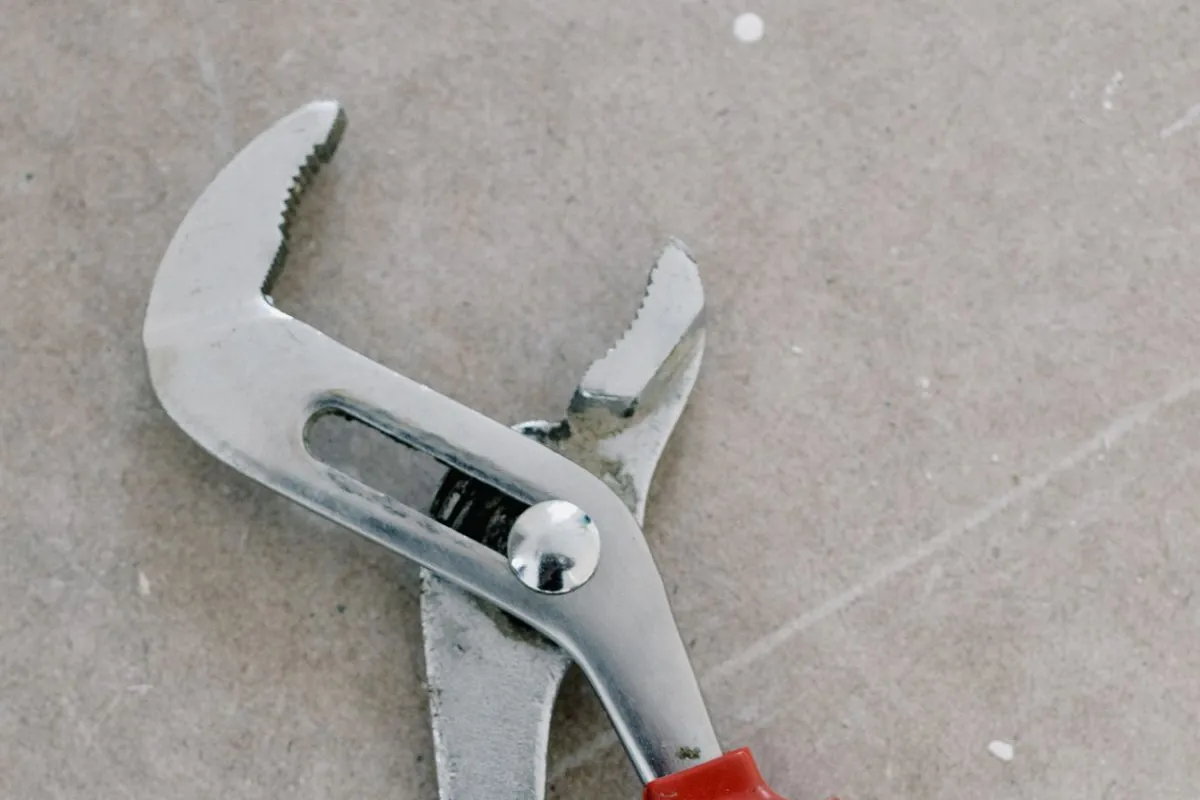
Illustrative photo — pliers left on the floor mid-job; above a slab, warm spots often give a leak away.
- Measured dryingDaily moisture readings guide every drying decision.
- Written scope firstYou see the itemised scope before work begins.
- Photo recordsPhotos and logs from first visit to final walkthrough.
- Homes and businessesHouses, rentals, offices, shops and restaurants.
The short answer
Slab leak repair begins with locating a pressurised water line leaking in or under a home concrete slab, then choosing between spot repair through the slab, rerouting the line overhead, or tunnelling to it. Around that plumbing decision sits the building work: mapping moisture the leak caused, drying materials to a verified standard, and documenting everything for insurance.
Most post-war Phoenix-metro homes are slab-on-grade, with no basement beneath them. Their pressurised water lines run in or under that concrete slab, which keeps them out of sight and out of mind — until one fails. A slab leak does not announce itself with a flood.
By the time those signs appear, the leak has usually been running a while. Water under pressure escapes continuously, saturates the soil and aggregate under the slab, and wicks upward through concrete, which is porous enough to pass moisture slowly into flooring adhesives, baseboards and the bottom of walls.
Our role is the building and the record. Locating and repairing the line itself is plumbing work, done with acoustic listening, thermal imaging and pressure isolation to pinpoint the leak before concrete is opened.
What's included
- Moisture mapping of the leak footprint We read flooring, baseboards, walls and the slab surface across and beyond the suspect area, because slab moisture rarely respects the room it started in.
- Coordination with leak detection Pinpointing the line uses acoustic listening for the sound of escaping water, thermal imaging that can reveal the warm plume of a hot-line leak, and pressure isolation to prove which line is losing pressure.
- Extraction and measured drying Rooms affected by the leak are dried under measured conditions — air movement and dehumidification placed from readings, wall bases and cavities checked, and slab points re-read daily against a dry standard.
- Documentation for repair and insurance Your record connects the whole story: the signs, the detection results, the moisture map, opening and closing readings, the written scope and photographs of any slab opening and the damaged materials removed.
Signs of a slab leak — and what they mean
Each classic sign has a mechanism behind it. A warm floor spot usually means a hot water line leaking below, its heat conducting up through the slab in a localised patch. Running-water sounds with fixtures off mean pressurised water is escaping somewhere continuously.
Cracked tile and moisture at baseboards are later signs, and they suggest duration. Tile cracks as saturated ground and slab conditions shift and as moisture attacks setting materials, while baseboards wick what the slab passes upward.
- Warm floor spots point to a leaking hot line under the slab
- Running-water sounds with taps off mean a pressurised escape
- Unexplained bill spikes are often the first measurable sign
- Cracked tile or grout can follow prolonged moisture below
- Damp baseboards in a room without fixtures suggest slab wicking
Spot repair, reroute or tunnel: the honest trade-offs
Once located, three repair routes are usually on the table, and the right one depends on the line condition, the home layout and how many future leaks the system may have in it.
Tunnelling reaches the line from outside by digging under the slab, avoiding opening finished floors inside — valuable where flooring is precious or continuous — but it is heavy excavation whose suitability depends on access, depth and soil. Your plumber owns this recommendation with the detection results in hand.
- Spot repair: smallest opening, but the rest of the old line remains
- Reroute overhead: retires the under-slab line, more work up front
- Tunnelling: saves interior floors, needs suitable outside access
- Repeated leaks in one system argue for reroute over another spot fix
From first call to dry standard
Signs review and moisture map
Call (855) 981-1210 and describe the signs — warm spots, sounds, bill changes, cracks or damp baseboards.
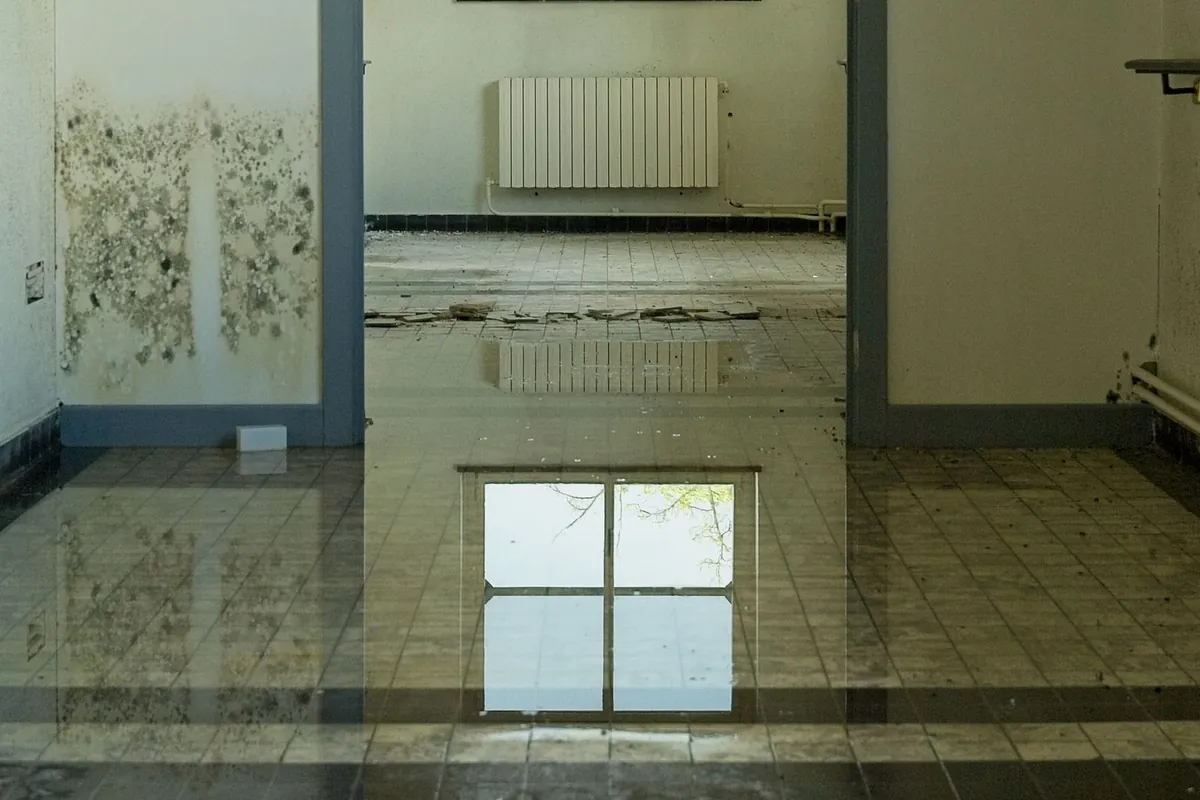
Detection and written scope
Detection narrows the leak location using acoustic, thermal and pressure methods, coordinated with the plumbing work.
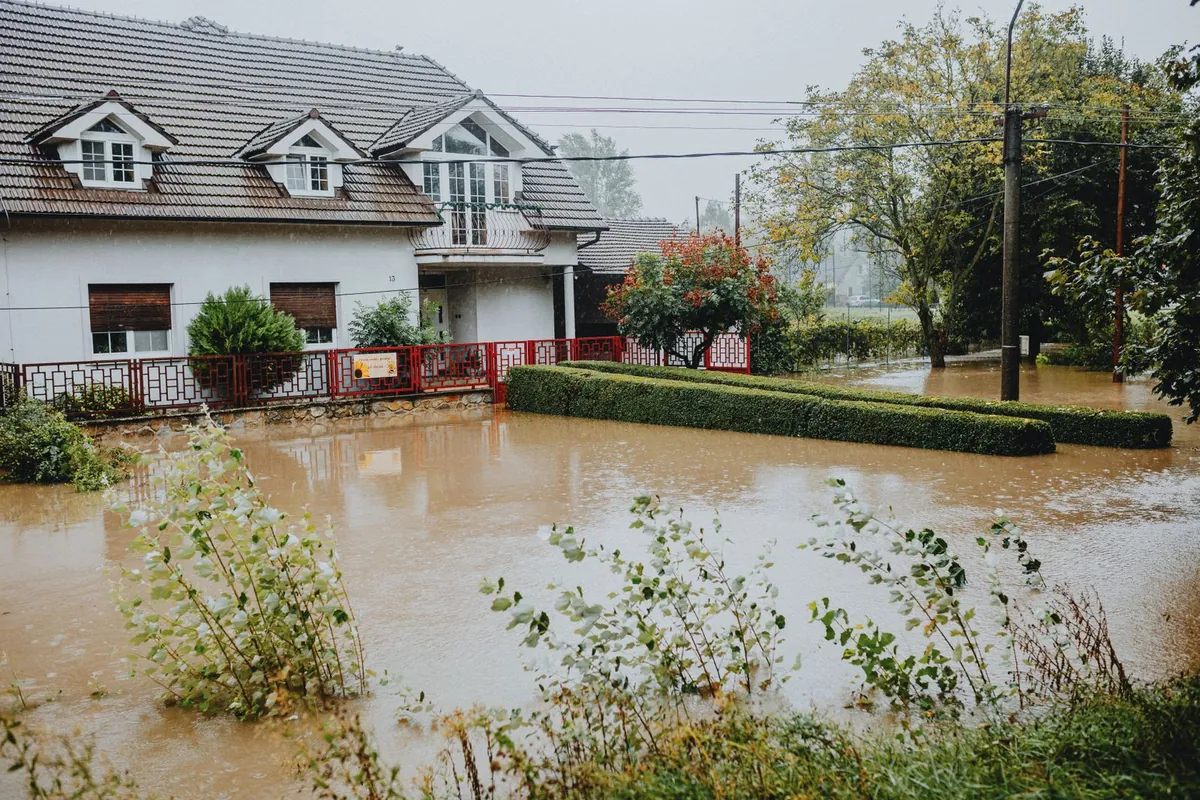
Line repair access
The chosen repair route is carried out: a located opening through the slab for a spot repair, overhead routing for a reroute, or exterior tunnelling.
Drying the slab and structure
With the line repaired and pressure proven, drying runs in earnest.
Verification and rebuild handover
Final readings verify slab and materials at the dry standard, and the file is closed: detection notes, moisture maps, daily logs, photographs and scopes together.
The common signs are a warm spot on the floor, running-water sounds when everything is off, and a rising bill. Later signs include cracked tile, damp baseboards and musty odours near the floor. No single sign is proof — a moisture map and proper detection, using acoustic listening, thermal imaging and pressure isolation, confirm whether a line is leaking and where.
A slab leak mainly damages finishes and materials, given time. Escaping water saturates soil under the slab and wicks into flooring, baseboards and wall bases, and prolonged saturation can undermine support locally in some soils, including expansive clays. Serious structural harm is not the usual outcome, but duration is the enemy — the longer a pressurised leak runs, the wider and costlier its footprint becomes.
It depends on the system, not just the leak. A spot repair suits a sound line with one isolated failure and is the least disruptive option. A reroute suits ageing under-slab lines, especially after more than one leak, because it retires that run entirely. Tunnelling protects interior floors where access allows. Your plumber should explain the trade-offs from the detection results, not default to one route.
Policies commonly distinguish the leak damage from accessing the line. Many cover resulting water damage to the home, and some cover the cost of getting to the leak, while the pipe repair itself is often treated differently. Wording varies widely, so keep the detection notes, moisture map, readings and photos together and notify your insurer early. Coverage is always your policy to decide.
Hard water is a related strain on the whole plumbing system, not a diagnosis. Phoenix water is reported at 10 to 17.6 grains per gallon in the city 2025 report, and scale from hard water shortens the life of water heaters, valves and appliances. Under-slab line failures also involve corrosion, soil movement and installation factors, so we record the evidence rather than blaming one cause in advance.
Water where it shouldn't be?
One call tells us what happened, where you are, and what the water touched — and gets the drying started before the damage spreads.
Tell us what happened
Call, or send the form and we'll call you back. If water is still spreading, shut the water off at the main if you can do it safely — then call.
- Phone(855) 981-1210
- Address6900 N 21st Ave, Phoenix, AZ 85015
- Coverage25 Arizona cities — see the service map