Water Damage Restoration in Scottsdale, AZ
In Scottsdale a leak is rarely only about wet drywall; with the hardest water in this project and interiors finished to a high standard, small failures carry outsized consequences.
- CoverageScottsdale, Arizona — one of 25 service cities across the state
- Phone(855) 981-1210
- On every jobWritten scope first, with photo records for your insurer
Serving Scottsdale and nearby
- Measured dryingDaily moisture readings guide every drying decision.
- Written scope firstYou see the itemised scope before work begins.
- Photo recordsPhotos and logs from first visit to final walkthrough.
- Homes and businessesHouses, rentals, offices, shops and restaurants.
The hardest water in the project, softening as you drive north
Scottsdale water damage work focuses on hard-water wear on heaters and fixtures, ageing pipe beneath concrete in the south, polybutylene-era construction such as McCormick Ranch, and leaks in second homes that can run unseen for weeks. We find the source, dry carefully around premium finishes, and document every reading and stage in detail.
Scottsdale is home to about 244,000 people and stretches long and narrow from the older south near Old Town to the newer desert communities of Grayhawk and Troon North. That geography creates a genuine gradient in the city water itself, and in the age of the housing, so a Scottsdale crew can start the day under a mid-century slab in the south and finish it in a newer foothill build where the systems and the risks look entirely different.
The second defining feature here is absence. Scottsdale carries many second homes that sit empty for part of the year, and trade accounts note that faults in an empty home can remain invisible for weeks while a slow leak keeps feeding the same wall or floor. Combine quiet houses, very hard water and expensive finishes, and the Scottsdale loss profile becomes clear: fewer dramatic floods, more slow, costly discoveries where the finish work suffers as much as the structure underneath it.
How Scottsdale homes get wet
Hard-water scale on heaters, valves and fixtures
Scottsdale publishes the hardest water figures in this project, and that mineral load attacks heater tanks, cartridge valves, supply stops and appliance connections across the city. Scale stiffens seals and narrows passages until a component begins to weep, often behind a vanity or inside a heater closet where nobody looks for months.
Ageing pipe beneath concrete in the south
Trade accounts describe the older south of Scottsdale as mid-century pipe running under concrete, a layout that hides leaks until flooring, adhesive and baseboards have been wet for some time. A slab-side failure here can present as a faint odour, a cupping floorboard or a tile line that changes sound underfoot rather than as visible water. Our source-finding in southern Scottsdale leans on careful meter work and temperature clues, followed by drying that respects both the slab and the finishes above it.
Polybutylene-window construction at McCormick Ranch
McCormick Ranch is named in trade accounts as polybutylene-window construction, placing its supply systems in the era when that material was widely used across the Valley. Homes there are now mature, and a fitting or line failure can release water into several rooms of a single-level plan before a homeowner hears anything unusual.
Undetected leaks in second homes
A Scottsdale second home can sit closed between visits while a heater valve, a refrigerator line or a toilet supply seeps steadily into the same patch of floor. By discovery day the visible damage may look modest while the subfloor, cabinetry and wall base have absorbed weeks of moisture. Our response surveys the entire home rather than only the reported room, photographs conditions on arrival, and stages updates so an absent owner can approve each step with full information.
Services available in Scottsdale
- Water ExtractionStanding water removed with pumps and extraction tools, then measured so hidden moisture does not stay behind.
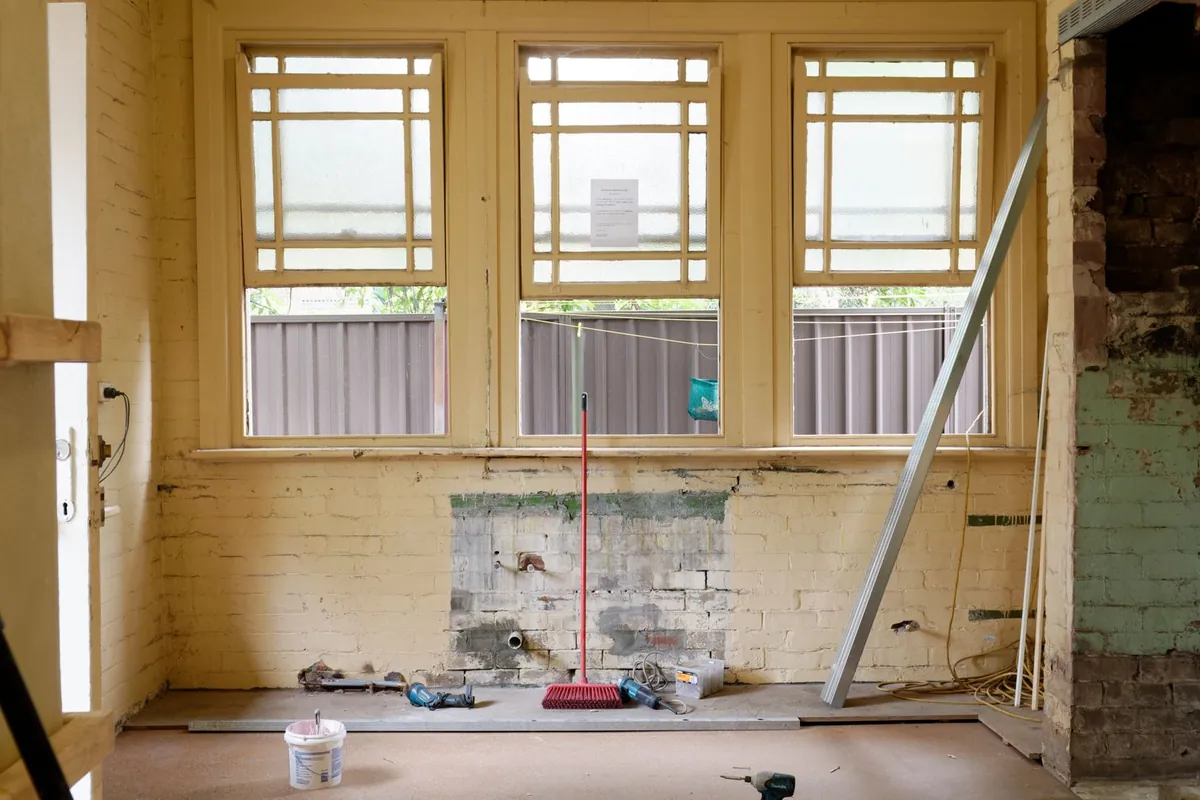 Structural DryingWalls, floors and cabinets dried to a measured dry standard, with readings logged every day.
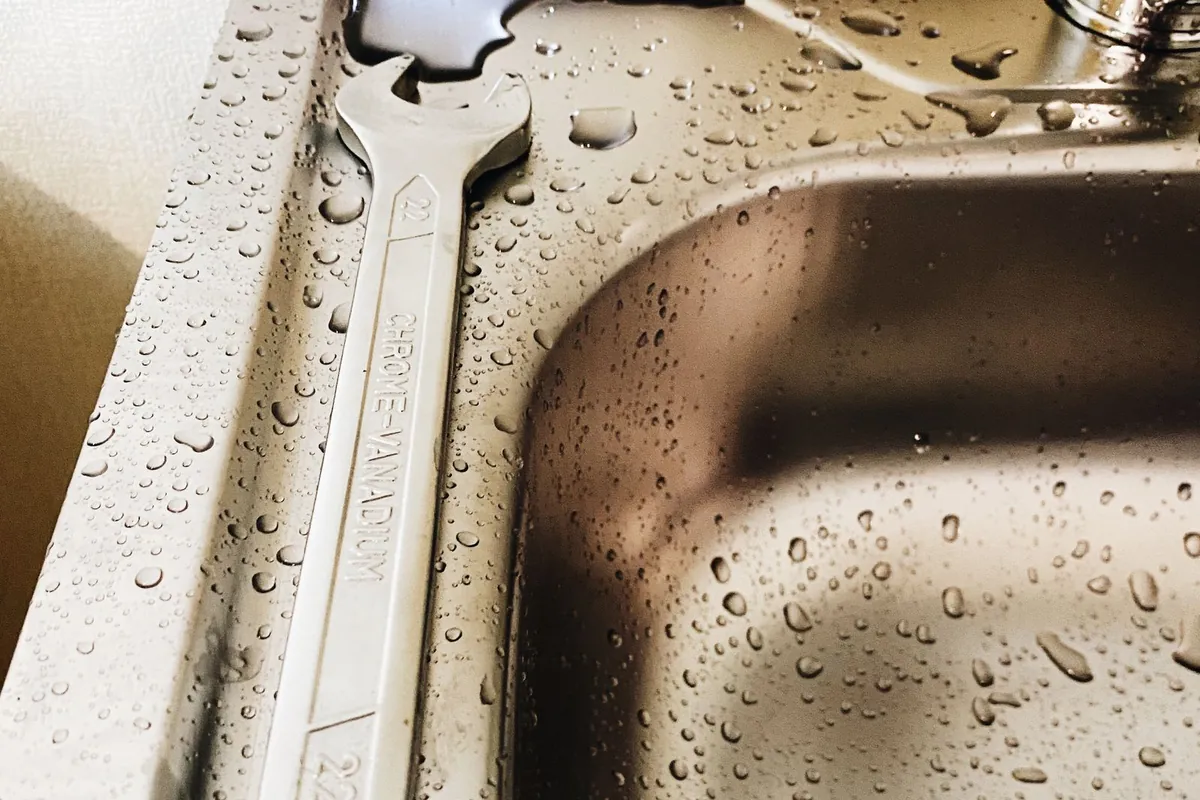 Leak & Burst Pipe CleanupCleanup after supply line, appliance and water heater leaks, dried and documented from the source outward.
- Flood CleanupRising water handled as Category 3: safe extraction, contaminated materials out, structure sanitised and dried.
- Mold RemediationContained, S520-based mould removal that starts with fixing the moisture source — and honest advice when no big job is needed.
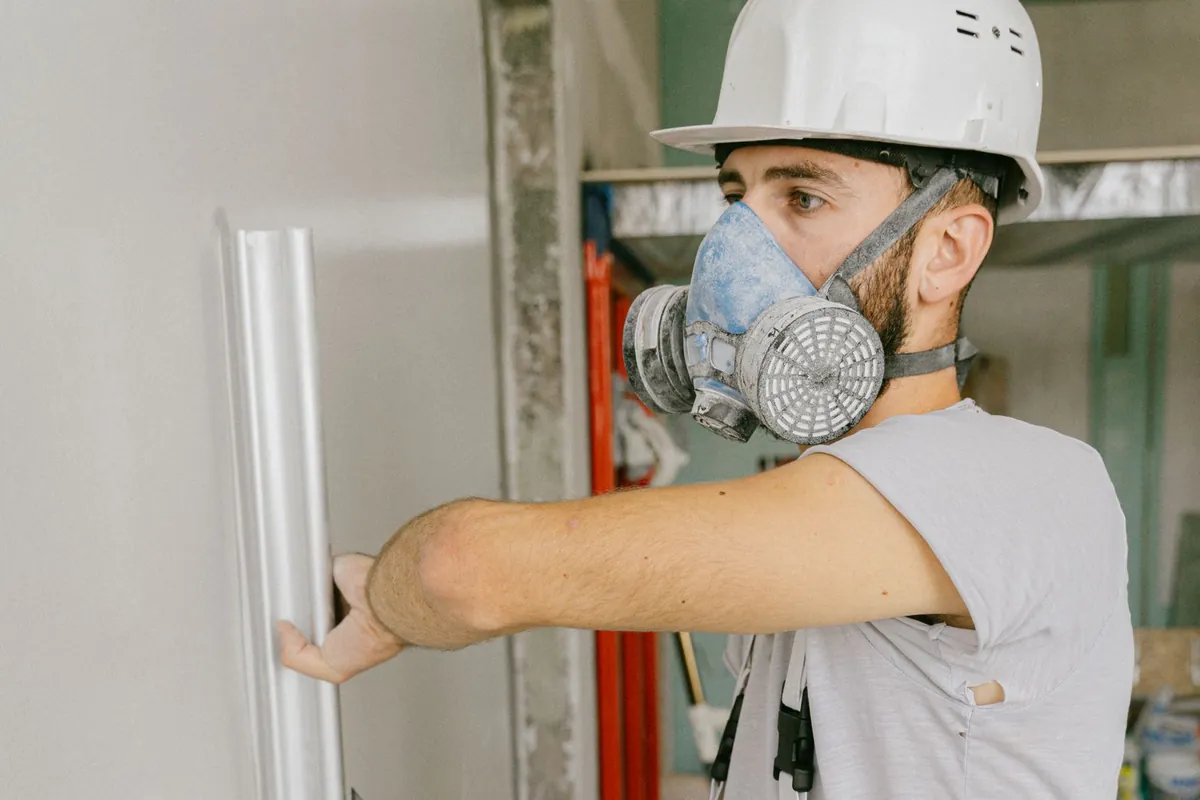 Repairs & RebuildRooms put back after drying: drywall, flooring, trim and cabinets from an itemised written scope.
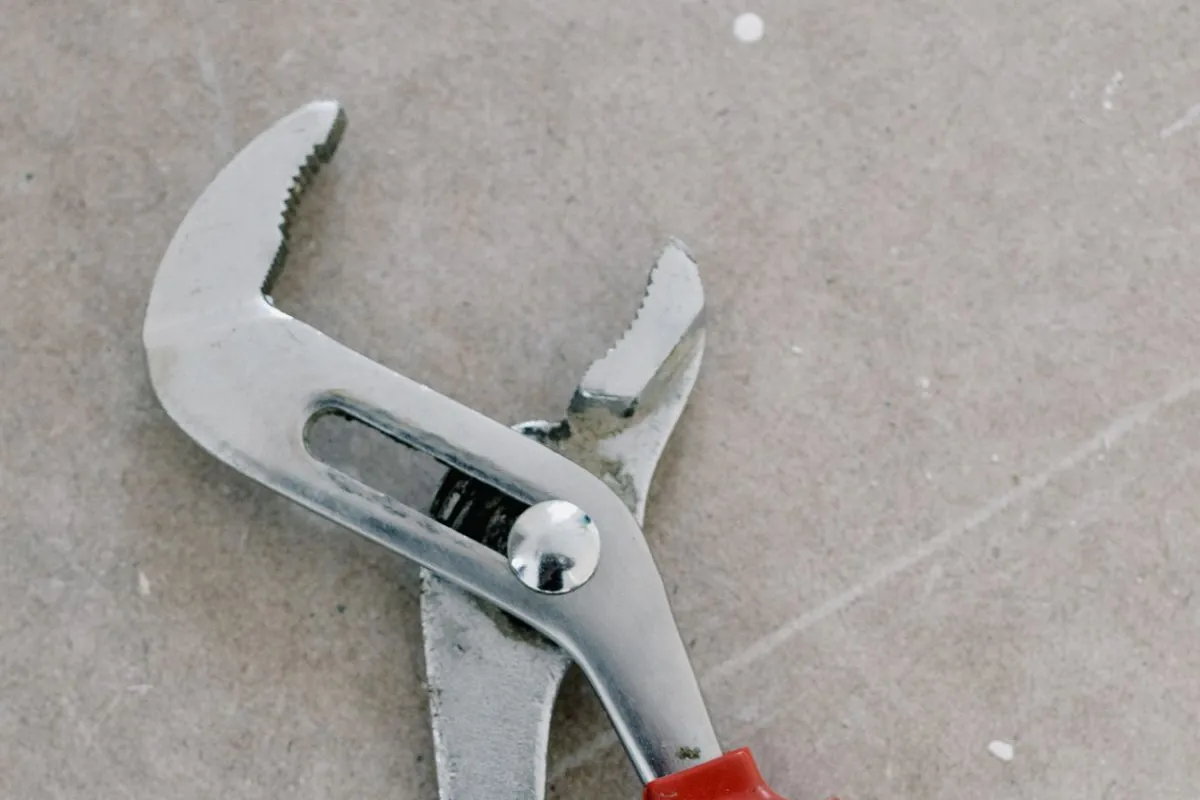 Slab Leak RepairMoisture mapping, drying and documentation for leaks under concrete slabs in slab-on-grade Arizona homes.
What a visit looks like in Scottsdale
A Scottsdale visit begins with a finish inventory alongside the moisture survey, noting stone, wood, cabinetry and plaster in the affected rooms so drying choices protect value as well as structure. In the south we allow extra time for under-slab source work, and in second homes we expand the survey to every wet room in the property, not only the one that prompted the call. Owners receive staged photographs and readings at each milestone, a rhythm that suits a city where many decision-makers are following the job from another home state.
Safety first
we check for electrical hazards, sagging ceilings and contaminated water before anything else.
Source stopped
we confirm the leak or supply line is shut off so no new water is entering the structure.
How far the moisture travelled
we take meter readings and build a moisture map of every affected room and material.
What dries in place vs what comes out
we explain what can be dried safely in place and what needs to be removed, and why.
Neighbourhoods we cover in Scottsdale
Old Town and the southern districts hold the mid-century stock, the hardest water zone and pipe beneath concrete that defines the classic Scottsdale slab problem. McCormick Ranch adds its polybutylene-window construction and mature landscaping-era homes, while Gainey Ranch mixes established luxury housing with homes that may sit empty between owner visits.
- Old Town
- McCormick Ranch
- Gainey Ranch
- Grayhawk
- Troon North
- 85250
- 85251
- 85254
- 85255
- 85257
- 85258
- 85259
- 85260
- 85262
- 85266
Scottsdale publishes the hardest figures in this project: 22 to 25 grains per gallon south of Indian School Road, easing to 16 to 18 grains north of Chaparral. Water at those levels builds scale quickly in heaters and fixtures, which is why local components can age faster than identical fittings in softer-water cities. Regular heater service and prompt attention to any seeping valve are especially worthwhile habits for Scottsdale owners.
A slow leak running unseen for weeks can saturate flooring, subfloor, cabinet bases and lower drywall across more than one room, even when the surface signs look small on arrival day. The honest answer comes from meter readings, not from the size of the visible stain, so a full survey matters more than a quick look.
Often, yes, controlled drying with directed airflow and dehumidification can save stone, hardwood and custom cabinetry when the moisture is caught before materials have been saturated for a long period. Some situations still require removal, particularly where water has travelled under a floor system, and we will show you the readings behind any recommendation.
Water where it shouldn't be in Scottsdale?
One call tells us what happened, where you are, and what the water touched — and gets the drying started before the damage spreads.
Tell us what happened
Call, or send the form and we'll call you back. If water is still spreading, shut the water off at the main if you can do it safely — then call.
- Phone(855) 981-1210
- Address6900 N 21st Ave, Phoenix, AZ 85015
- Coverage25 Arizona cities — see the service map