Water Damage Restoration in San Tan Valley, AZ
San Tan Valley is now a town in its own right, and its young subdivisions are reaching the age where their first water heaters and systems start failing together.
- CoverageSan Tan Valley, Arizona — one of 25 service cities across the state
- Phone(855) 981-1210
- On every jobWritten scope first, with photo records for your insurer
Serving San Tan Valley and nearby
- Measured dryingDaily moisture readings guide every drying decision.
- Written scope firstYou see the itemised scope before work begins.
- Photo recordsPhotos and logs from first visit to final walkthrough.
- Homes and businessesHouses, rentals, offices, shops and restaurants.
A brand-new town with a synchronised ageing problem
San Tan Valley water damage help focuses on 2005-era water heaters ageing out across post-2000 subdivisions, air-conditioning condensate problems, supply-line failures, and sheet drainage during intense storms below the San Tan Mountains. We stop the source, dry the home to measured readings, and document the work clearly for owners in this newly incorporated town.
San Tan Valley is now the Town of San Tan Valley, incorporated in September 2025, and residents here are rightly proud of saying so correctly after years of being described as an unincorporated area. The town is home to about 109,000 people and was built almost entirely as post-2000 master-planned development on former Pinal County farmland. Communities such as Johnson Ranch, Pecan Creek and San Tan Heights rose quickly, street after street of similar homes with similar systems installed in the same building seasons.
That youth defines the local water damage story. A subdivision completed around 2005 handed every buyer a new water heater, new hoses and new condensate drains on roughly the same day, and those first-generation components are ageing out now, in the same years, across whole neighbourhoods. San Tan Valley does not have an old-plumbing problem; it has a synchronised ageing problem, plus desert drainage behaviour on the alluvial fan below the San Tan Mountains when a storm cell sits over the town and refuses to move.
How San Tan Valley homes get wet
2005-era water heaters ageing out now
Homes built in the mid-2000s building wave across San Tan Valley can now carry original or second-generation water heaters that are reaching the end of a reasonable service life together. A tired tank often starts with rusty water, popping sounds or a slow seep at the base that wets the garage and the shared wall before anyone connects the signs. We dry the affected wall and floor areas, record the spread, and flag the pattern honestly, because neighbouring homes from the same phase often face the same decision soon.
AC condensate failures in long cooling seasons
Post-2000 San Tan Valley homes run their cooling hard through the long Pinal County summer, and condensate drains in attics and interior closets carry a heavy seasonal load. A clogged drain or a failed pan can spill water into a ceiling or a hallway closet for days, with the stain appearing far from the unit that produced it.
Supply lines and appliance connections in master-planned stock
Master-planned construction standardised the connections across thousands of San Tan Valley homes: flexible toilet supplies, washing-machine hoses, dishwasher feeds and refrigerator lines installed by the phase. Standardisation is efficient until the shared components reach a shared age, at which point small failures begin appearing across a subdivision in the same seasons.

Alluvial-fan sheet drainage in intense storm cells
San Tan Valley sits on an alluvial fan below the San Tan Mountains, and intense storm cells can send broad sheet drainage moving across former farmland streets rather than down a single defined channel. Water spreading in a sheet tests every low threshold, side gate and garage seal it crosses, entering homes whose plumbing has never caused a day of trouble. After such an event we document the street-side entry pattern, extract promptly, and dry baseboards and flooring along every wall the sheet water reached.
Services available in San Tan Valley
 Water ExtractionStanding water removed with pumps and extraction tools, then measured so hidden moisture does not stay behind.
- Structural DryingWalls, floors and cabinets dried to a measured dry standard, with readings logged every day.
- Leak & Burst Pipe CleanupCleanup after supply line, appliance and water heater leaks, dried and documented from the source outward.
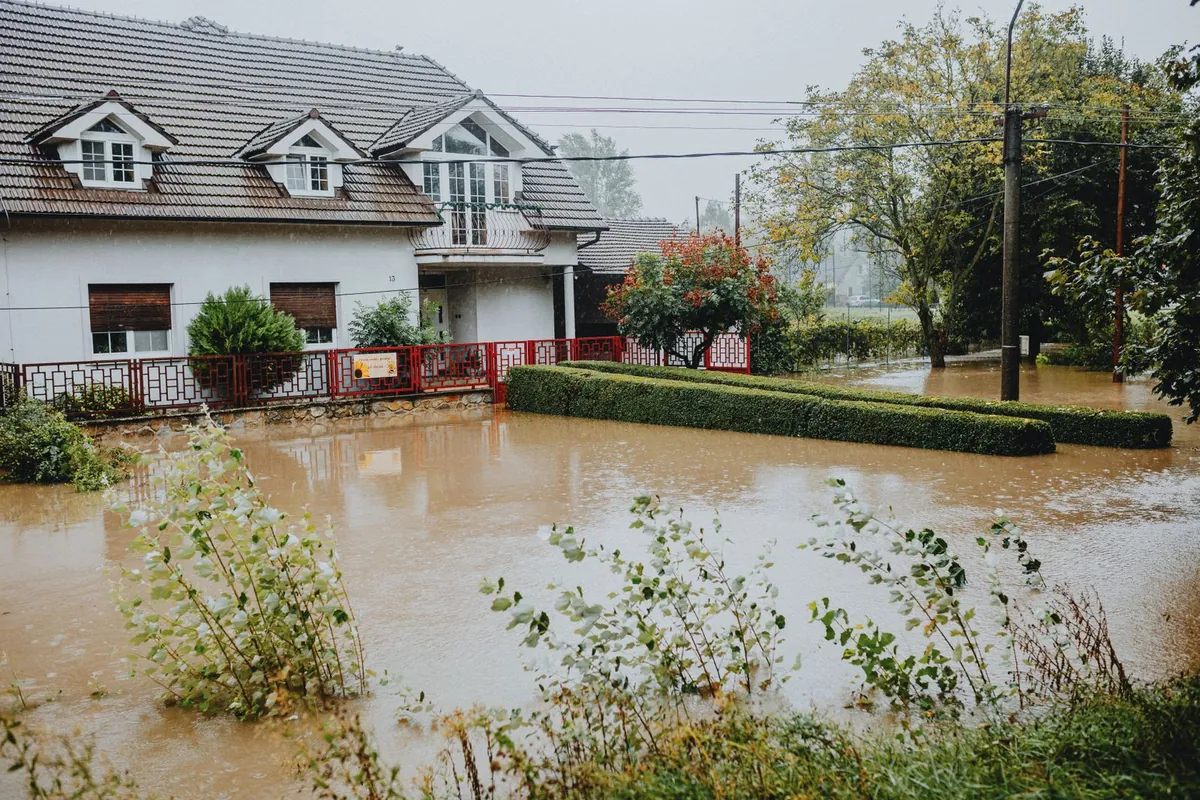 Flood CleanupRising water handled as Category 3: safe extraction, contaminated materials out, structure sanitised and dried.
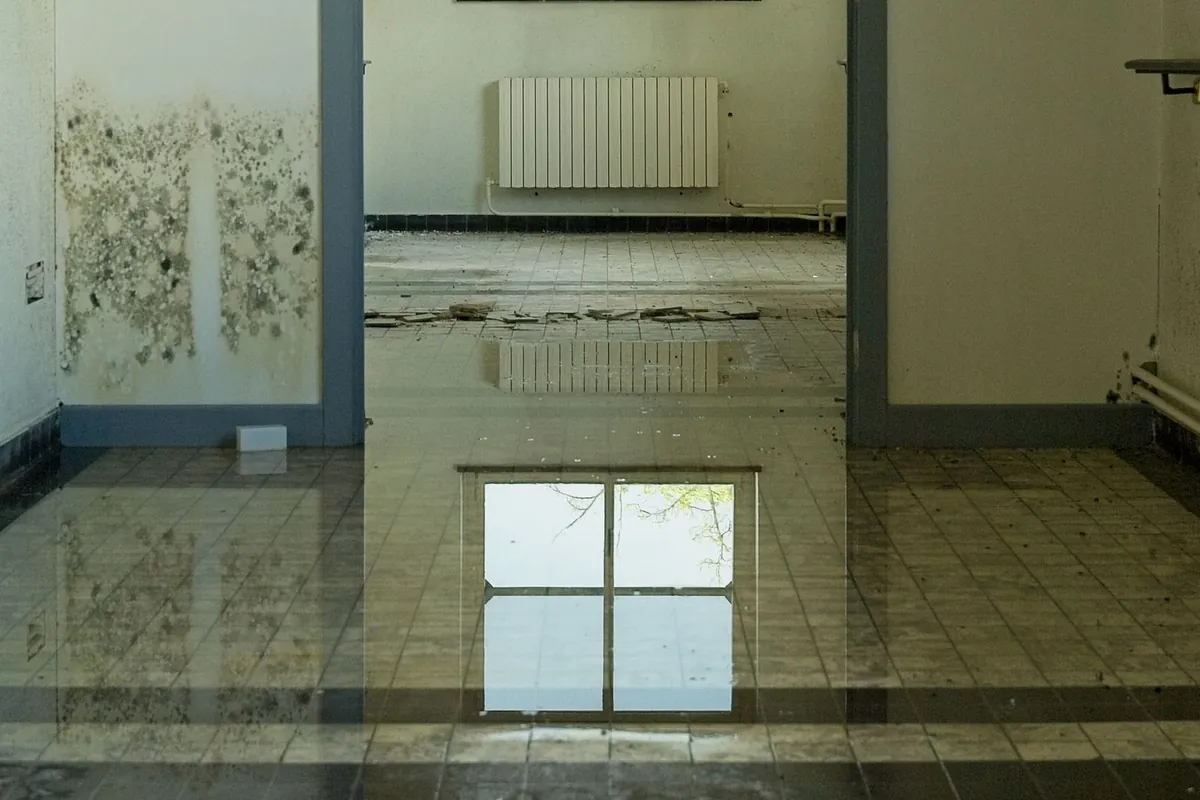 Mold RemediationContained, S520-based mould removal that starts with fixing the moisture source — and honest advice when no big job is needed.
- Repairs & RebuildRooms put back after drying: drywall, flooring, trim and cabinets from an itemised written scope.
- Slab Leak RepairMoisture mapping, drying and documentation for leaks under concrete slabs in slab-on-grade Arizona homes.
What a visit looks like in San Tan Valley
A San Tan Valley visit usually starts in the garage at the water heater, because the build phase of the subdivision makes that tank the prime suspect in a large share of local calls, then moves to the condensate path if ceilings or closets are damp. We ask for the build year early and use it openly, explaining that a 2005-phase home carries a predictable component list worth checking beyond the one part that failed. After intense storms the sequence flips to the exterior, reading the sheet drainage pattern off the street and yard before metering the walls it touched.
Safety first
we check for electrical hazards, sagging ceilings and contaminated water before anything else.
Source stopped
we confirm the leak or supply line is shut off so no new water is entering the structure.
How far the moisture travelled
we take meter readings and build a moisture map of every affected room and material.
What dries in place vs what comes out
we explain what can be dried safely in place and what needs to be removed, and why.
Neighbourhoods we cover in San Tan Valley
Johnson Ranch is one of the town defining master-planned communities, with mid-2000s phases whose first heaters and connections are ageing out in step across whole streets. Pecan Creek and San Tan Heights continue the post-2000 pattern, mixing family subdivisions where condensate, supply lines and appliance feeds are the everyday sources of a call.
- Johnson Ranch
- Pecan Creek
- San Tan Heights
- Central San Tan Valley
- Southern San Tan Valley
- 85140
- 85143
Yes, San Tan Valley incorporated in September 2025 and is now the Town of San Tan Valley, so describing it as unincorporated is out of date. Incorporation does not change how a water heater fails, but it does reflect a community of about 109,000 people with its own identity and services.
A heater from that era serving a San Tan Valley home now can be well into later life, and the mid-2000s phases mean many neighbours share the same timeline. Watch for rusty or discoloured hot water, rumbling or popping from the tank, moisture at the base and a drain pan that stays damp between checks.
The town sits on an alluvial fan below the San Tan Mountains, so intense rain can move as broad sheet drainage across streets and lots instead of following one channel. Sheet water reaches many thresholds at a similar height in the same event, which is why several homes on one street can take water together.
Also serving nearby
Water where it shouldn't be in San Tan Valley?
One call tells us what happened, where you are, and what the water touched — and gets the drying started before the damage spreads.
Tell us what happened
Call, or send the form and we'll call you back. If water is still spreading, shut the water off at the main if you can do it safely — then call.
- Phone(855) 981-1210
- Address6900 N 21st Ave, Phoenix, AZ 85015
- Coverage25 Arizona cities — see the service map