Water Damage Restoration in Prescott, AZ
Prescott freezes for half the year and floods in an hour. Between the long cold season at 5,400 feet and creeks that can rise feet in minutes, this mountain town needs restoration judgement of its own.
- CoveragePrescott, Arizona — one of 25 service cities across the state
- Phone(855) 981-1210
- On every jobWritten scope first, with photo records for your insurer
Serving Prescott and nearby
- Measured dryingDaily moisture readings guide every drying decision.
- Written scope firstYou see the itemised scope before work begins.
- Photo recordsPhotos and logs from first visit to final walkthrough.
- Homes and businessesHouses, rentals, offices, shops and restaurants.
Creeks, Cold and a Courthouse Town
Prescott water damage often begins with a pipe that froze during the long cold season or with Granite Creek rising fast after heavy rain in the Bradshaws. Victorian-era homes near Courthouse Square hide water differently than newer subdivisions do. We extract the water, dry the building in stages, and repair the damaged wood, plaster and floors.
Prescott is a city of about 47,000 people, the seat of Yavapai County, set at roughly 5,400 feet in the Bradshaw Mountains with a historic centre around Courthouse Square and Whiskey Row. Climate normals for 1991 to 2020 place the average freezing season from October 21 to May 1, which means pipes here face a genuine, months-long freeze window rather than the occasional cold night of the desert cities. Victorian-era housing near the centre adds old plumbing and old materials to that cold, while the wildland-urban interface edges the town on its forested sides.
Water in Prescott also arrives violently from above ground. Granite Creek and Miller Creek converge in town, and the county gauge record shows Granite Creek rising over 6.5 feet in a single hour in September 2024, a measure of how fast creek water can move through Prescott streets after intense rain in the mountains. A city that freezes for half the year and flash-floods in an hour asks more of its homeowners than most, and restoration here is planned for both hazards without treating either as an afterthought.
How Prescott homes get wet
Pipes freezing across a long cold season
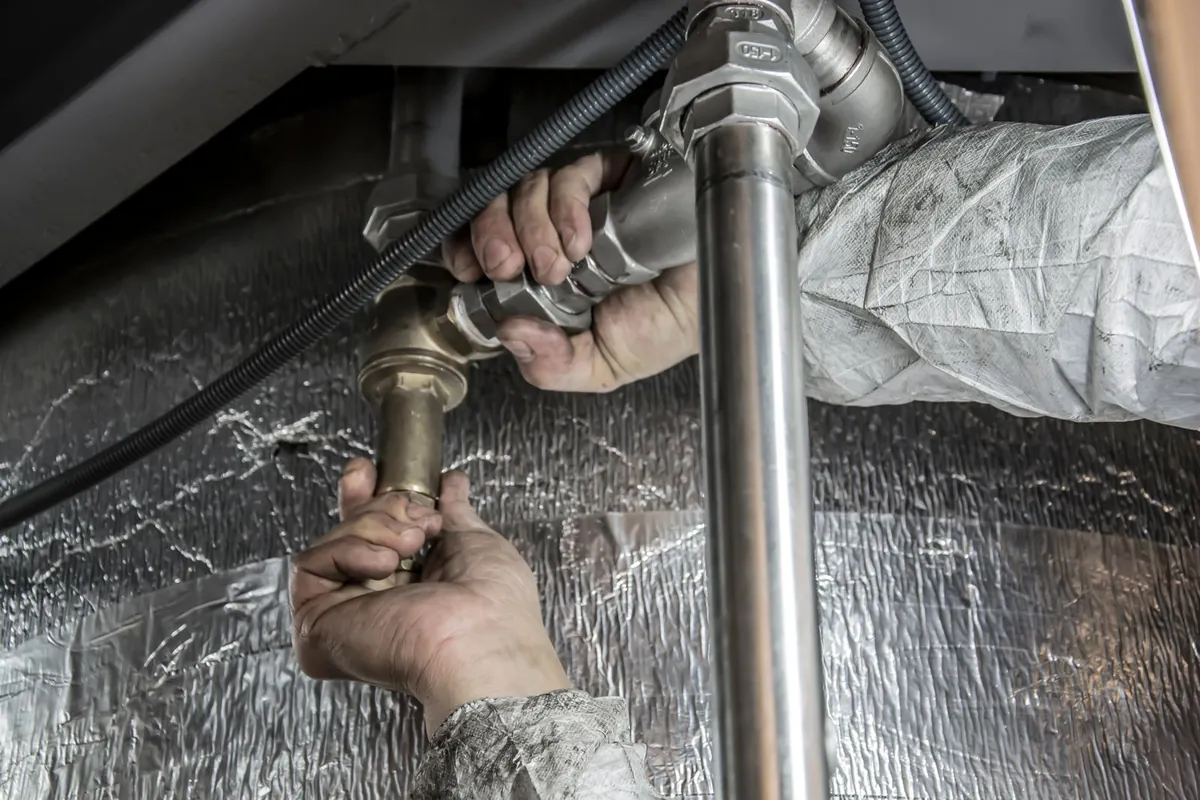
With freezing temperatures possible from late October into May, Prescott pipes in crawl spaces, exterior walls and unheated additions live under threat for half the year, and a hard freeze can split several lines in the same house on the same night. The damage usually announces itself at the thaw, when flow resumes through the split and soaks floors and ceilings. Because multiple breaks can hide behind one visible flood, our freeze visits test and inspect the whole system rather than repairing the first break and leaving.
Granite Creek and Miller Creek flash flooding
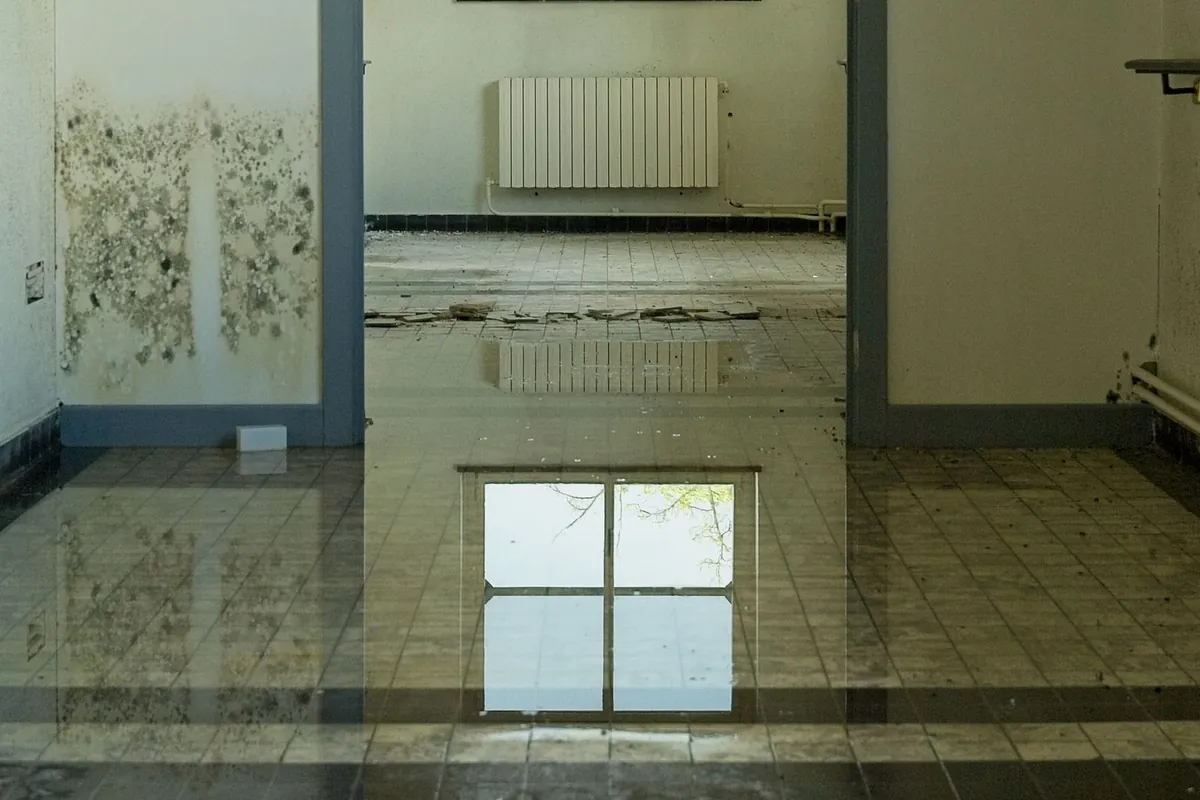
When intense rain falls in the Bradshaws, the creeks converging in Prescott can rise with dangerous speed, as the September 2024 gauge record of more than 6.5 feet in one hour demonstrates from the county own instruments. Homes and businesses near the creek corridors can take muddy water through doors and garages with little warning time. Cleanup after creek entry involves silt and contaminated material removal alongside drying, and the documentation records water height marks that matter for any later claim.
Victorian-era plumbing and materials
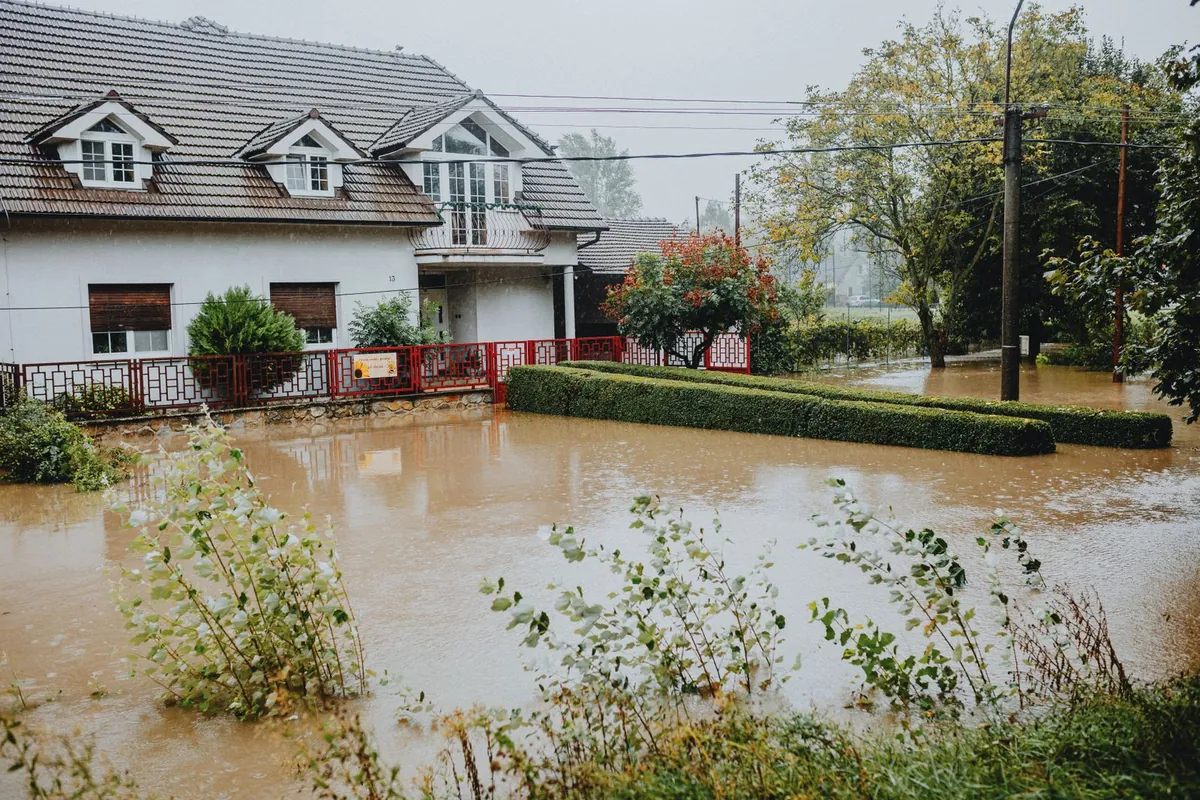
Around Courthouse Square stand homes from the Victorian era and the early territorial decades, built with wood, plaster and plumbing that have been adapted many times since. Water hides in these structures in layered floors, lath cavities and old additions, and it damages original woodwork that cannot simply be replaced from a shelf. Restoration in the historic core proceeds more deliberately, with drying preferred over removal wherever readings allow, and every intervention in original material explained before it happens.
Vacant and edge-of-forest homes freezing unobserved
Prescott second homes and properties toward the wildland-urban interface can stand empty through cold snaps, combining the freeze risk with delayed discovery in the same way as cabin country elsewhere in the northern highlands. For these properties we emphasise pre-winter preparation of pipes and heating, and a complete moisture survey whenever a vacant-home loss is reported.
Services available in Prescott
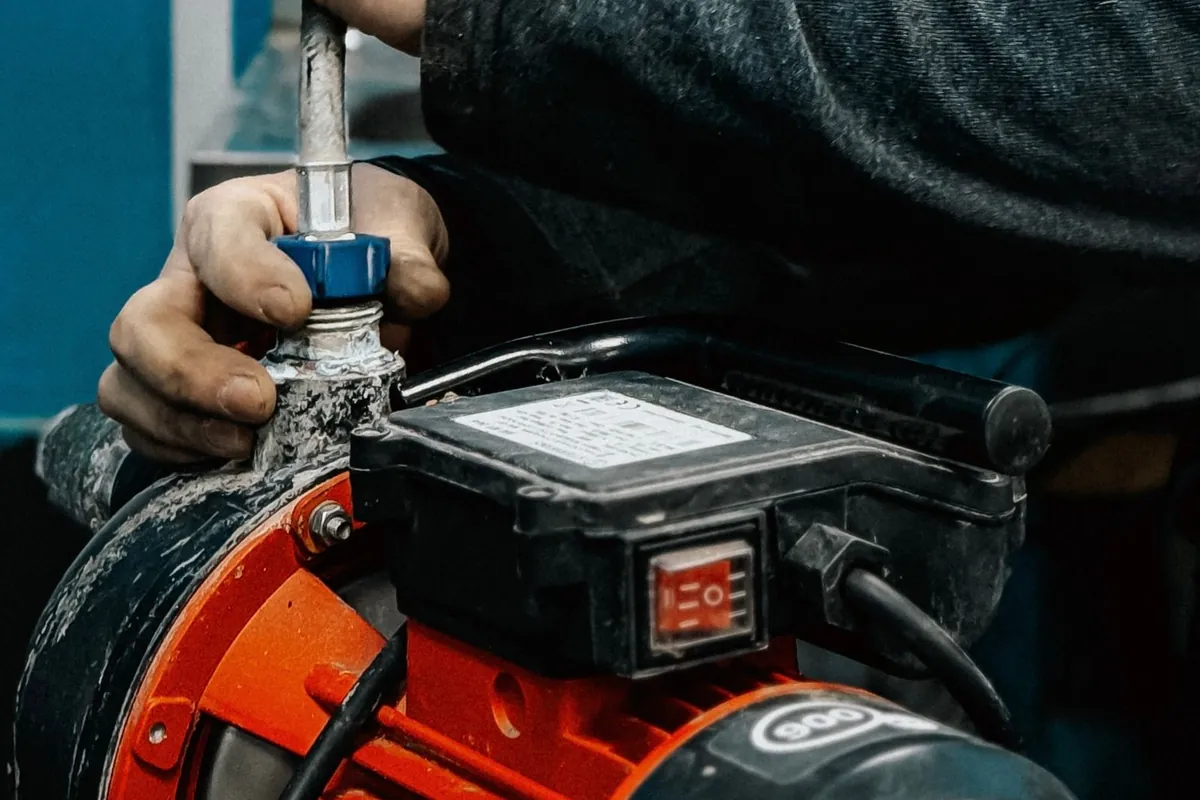 Water ExtractionStanding water removed with pumps and extraction tools, then measured so hidden moisture does not stay behind.
- Structural DryingWalls, floors and cabinets dried to a measured dry standard, with readings logged every day.
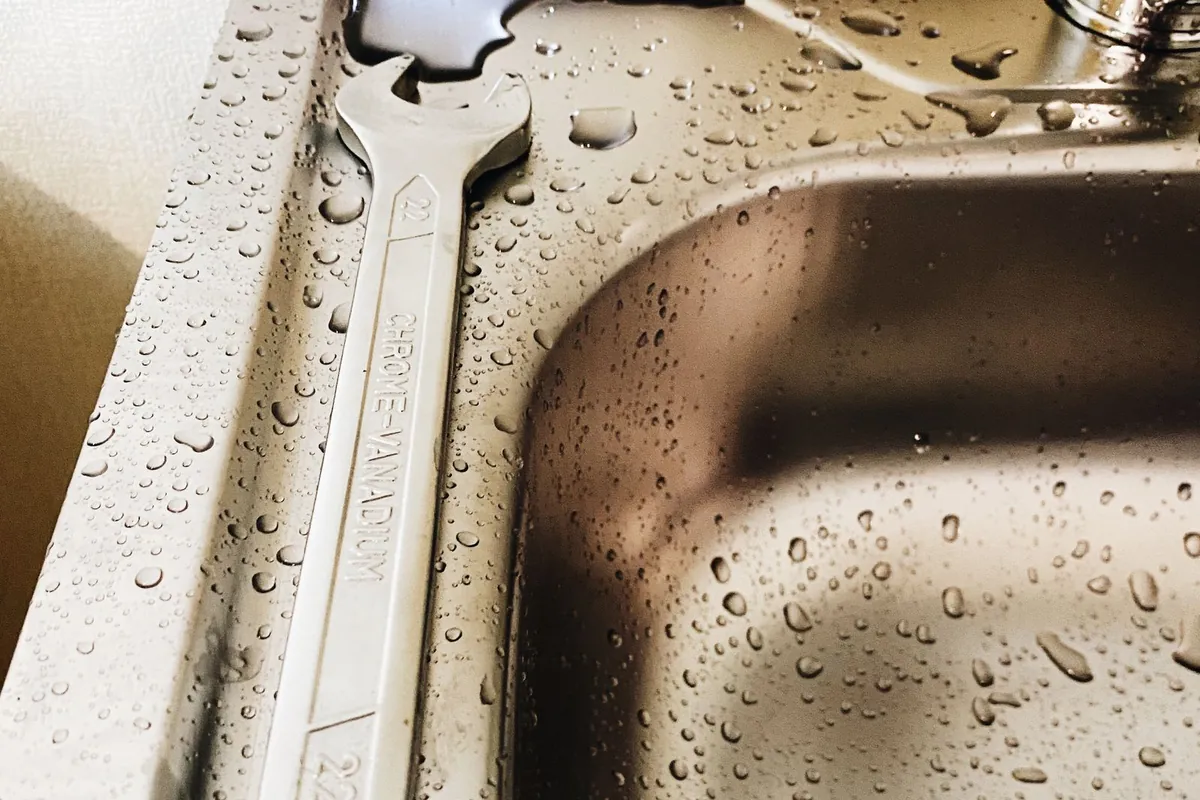 Leak & Burst Pipe CleanupCleanup after supply line, appliance and water heater leaks, dried and documented from the source outward.
- Flood CleanupRising water handled as Category 3: safe extraction, contaminated materials out, structure sanitised and dried.
- Mold RemediationContained, S520-based mould removal that starts with fixing the moisture source — and honest advice when no big job is needed.
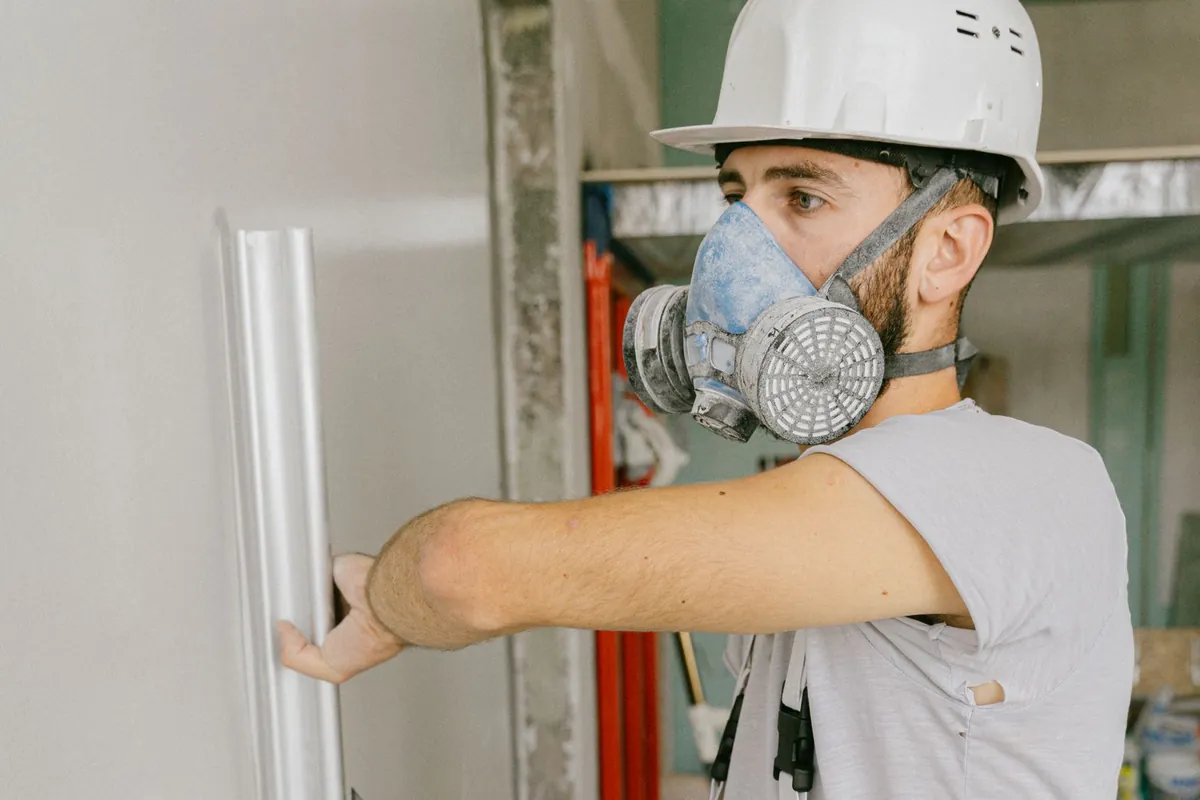 Repairs & RebuildRooms put back after drying: drywall, flooring, trim and cabinets from an itemised written scope.
- Slab Leak RepairMoisture mapping, drying and documentation for leaks under concrete slabs in slab-on-grade Arizona homes.
What a visit looks like in Prescott
A Prescott visit in the cold season starts with the plumbing system as a whole, checking for additional freeze splits beyond the one that flooded, before any drying equipment is discussed. We record creek or storm history where flooding is involved, photograph height marks and conditions, then take readings through floors, walls and crawl spaces in a set order so later checks can be compared directly. In historic homes the written scope states explicitly which original materials will be dried in place, so preservation decisions are agreed rather than improvised.
Safety first
we check for electrical hazards, sagging ceilings and contaminated water before anything else.
Source stopped
we confirm the leak or supply line is shut off so no new water is entering the structure.
How far the moisture travelled
we take meter readings and build a moisture map of every affected room and material.
What dries in place vs what comes out
we explain what can be dried safely in place and what needs to be removed, and why.
Neighbourhoods we cover in Prescott
Downtown and Courthouse Square hold the Victorian-era core and Whiskey Row, Miller Valley runs northwest along the creek corridor of the same name, and Thumb Butte names the western residential slopes beneath the city landmark peak. Prescott Lakes is the large modern master plan on the northeast side, and Hassayampa occupies the wooded southern edge where homes meet the forest.
- Downtown/Courthouse Square
- Miller Valley
- Thumb Butte
- Prescott Lakes
- Hassayampa
- 86301
- 86302
- 86303
- 86305
The risk window is long: the 1991 to 2020 climate normals put the freezing season from October 21 through May 1, so exposed pipes need protection for half the year. One hard night inside that window can split an unprotected line in a crawl space or exterior wall. If a freeze break happened, call (855) 981-1210 and expect us to check the rest of the system for companion splits.
After creek flooding, check ground-floor rooms, garages and crawl spaces for silt lines and water even if the rooms look untouched, because creek water enters low and spreads under flooring. Photograph any height marks before cleaning, since those marks document the event for insurance purposes better than memory can. Have the materials read with a meter, because creek-soaked wood and drywall hold contaminated moisture surface drying cannot resolve.
Original woodwork often survives when drying begins promptly and proceeds in controlled stages, because old timber tolerates careful drying far better than composite materials do. The risks are delay and haste in equal measure: waiting lets moisture migrate and stain, while aggressive demolition destroys what drying could have saved. Our historic-core scopes name the original materials and set out the drying approach for each, agreed with you before work starts.
Water where it shouldn't be in Prescott?
One call tells us what happened, where you are, and what the water touched — and gets the drying started before the damage spreads.
Tell us what happened
Call, or send the form and we'll call you back. If water is still spreading, shut the water off at the main if you can do it safely — then call.
- Phone(855) 981-1210
- Address6900 N 21st Ave, Phoenix, AZ 85015
- Coverage25 Arizona cities — see the service map