Water Damage Restoration in Mesa, AZ
Mesa has a median-aged housing stock with a very specific plumbing story, and most serious water losses here start inside walls and under slabs, not at the front door.
- CoverageMesa, Arizona — one of 25 service cities across the state
- Phone(855) 981-1210
- On every jobWritten scope first, with photo records for your insurer
Serving Mesa and nearby
- Measured dryingDaily moisture readings guide every drying decision.
- Written scope firstYou see the itemised scope before work begins.
- Photo recordsPhotos and logs from first visit to final walkthrough.
- Homes and businessesHouses, rentals, offices, shops and restaurants.
A median home built in 1989, and water that changes by zone
Mesa water damage most often grows out of ageing supply lines in homes built around 1989, hard-water wear on heaters and fixtures, and leaks that run unnoticed in seasonally empty properties. We find the source, extract the water, dry walls, floors and cabinetry to measured readings, and keep a photo record of each stage for you and your insurer.
Mesa is home to about 511,000 people, and its defining number for water damage work is not population but a year: 1989, the median year homes here were built. A median home at that age sits in or near the 1978 to 1995 polybutylene window, with roughly thirty-five years or more of plumbing life already behind it. That single fact shapes Mesa restoration, because a large share of the city is reaching the same stage of pipe, valve and heater age at roughly the same time.
The city also layers very different communities on top of that shared housing age. Downtown Mesa and the older western districts carry earlier stock, master-planned communities such as Eastmark bring much newer construction to the southeast, and the Main Street and Apache Trail corridor in East Mesa holds a large concentration of 55-plus mobile-home and RV resort communities. Each setting fails differently, dries differently, and needs a slightly different plan when water gets loose inside it.
How Mesa homes get wet
Ageing lines in the 1989 median home
A Mesa house built around 1989 has carried water through its supply system for more than three decades, and homes from that period can sit within the polybutylene era described in local trade accounts. Failures tend to arrive at fittings, valves and tired sections of line, often inside a wall where the first clue is a musty smell or a baseboard starting to swell.
Hard-water wear that changes by zone
Mesa hardness is not one number across the whole city, so heaters and fixtures age at different speeds depending on which water zone serves the home. Scale builds in heater tanks, on elements and inside angle stops, and a component that looks sound from outside can be badly narrowed within. When a scaled connection finally fails, we deal with both the released water and the surrounding materials that have been quietly dampened by earlier seepage.
Undetected leaks in seasonally empty homes
East Mesa has many homes and resort residences that sit empty for part of the year, and a slow leak in an empty property can run for weeks without a single witness. In Mesa we phrase that plainly as a risk of seasonal vacancy rather than a promise about any one street, because the pattern depends on how long each home stands closed. On arrival we look for long-running moisture signatures, check neighbouring rooms and cabinetry, and document how far the water travelled while nobody was home.
Mobile-home and resort residence plumbing
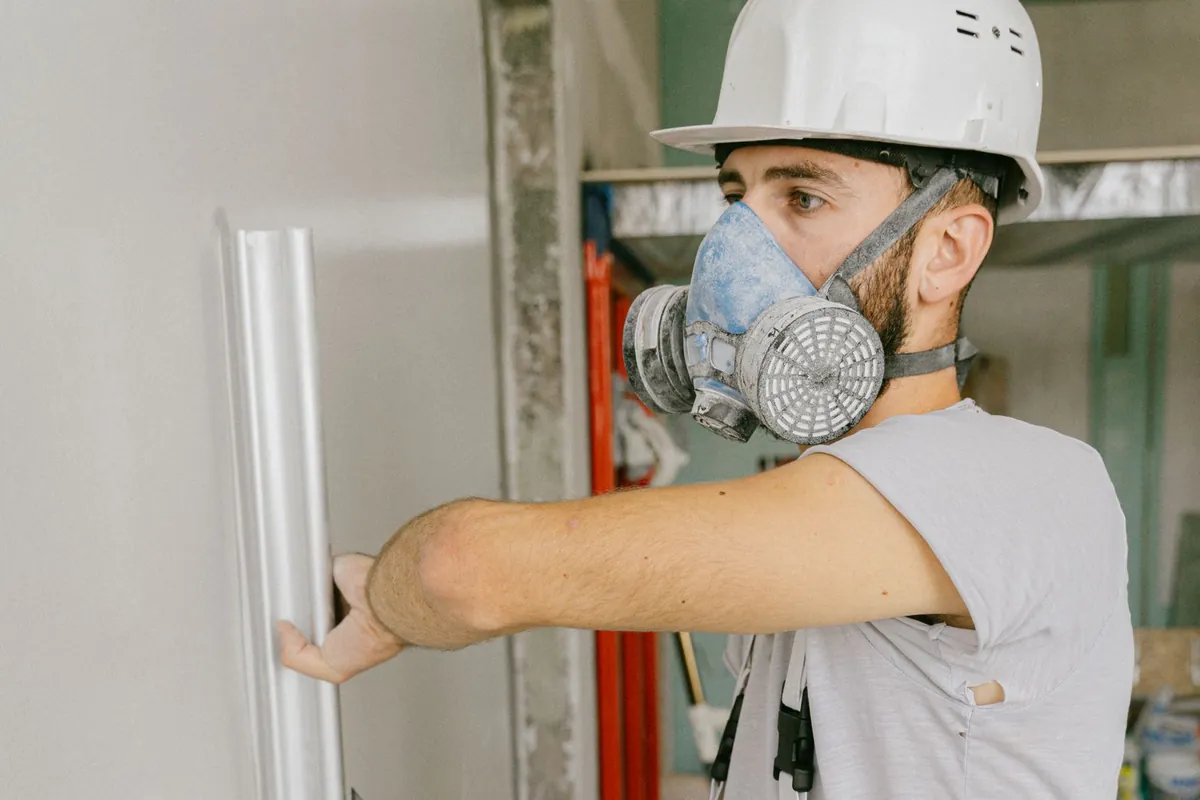
The 55-plus mobile-home and RV resort concentration along the East Mesa corridor brings construction that behaves differently from a slab-built house when a line fails. Water can move quickly beneath floors and through service spaces that are tighter and less visible than in conventional framing. Our drying plan for these homes accounts for that layout, with careful checks under flooring, around tubs and showers, and at the water service entry before any repair work begins.
Services available in Mesa
- Water ExtractionStanding water removed with pumps and extraction tools, then measured so hidden moisture does not stay behind.
- Structural DryingWalls, floors and cabinets dried to a measured dry standard, with readings logged every day.
- Leak & Burst Pipe CleanupCleanup after supply line, appliance and water heater leaks, dried and documented from the source outward.
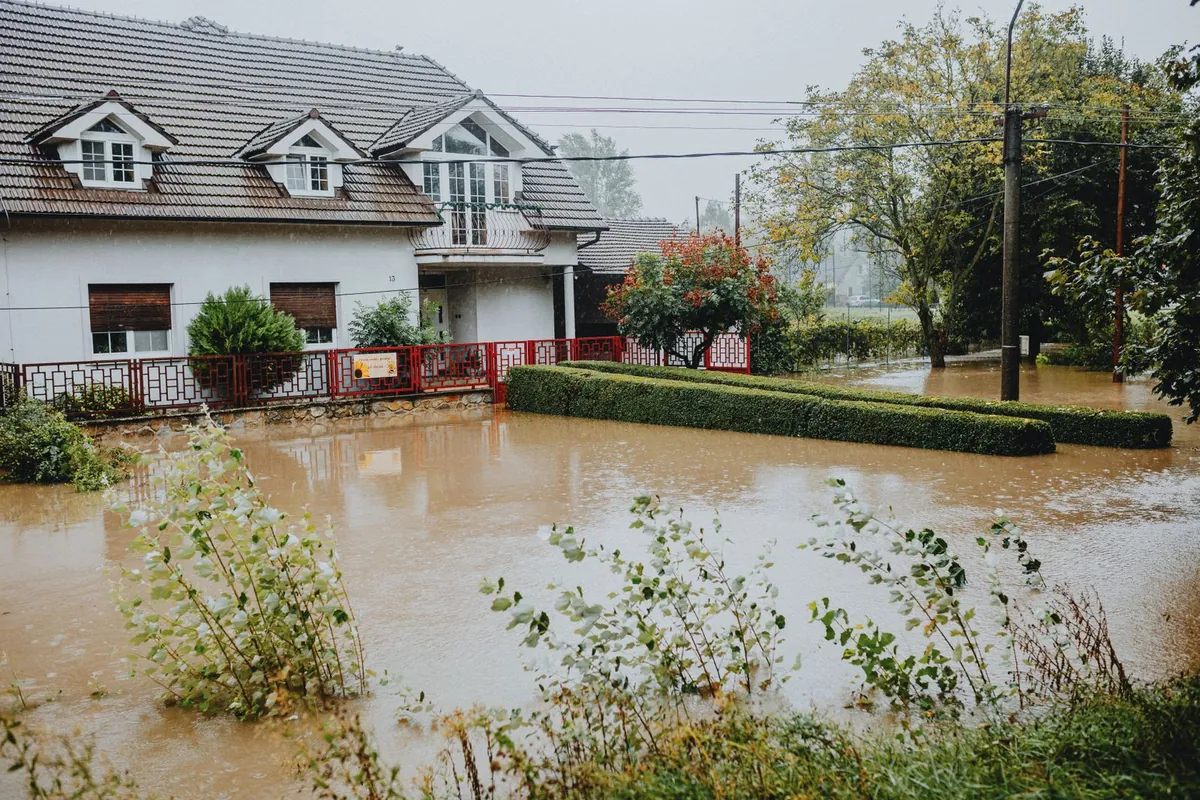 Flood CleanupRising water handled as Category 3: safe extraction, contaminated materials out, structure sanitised and dried.
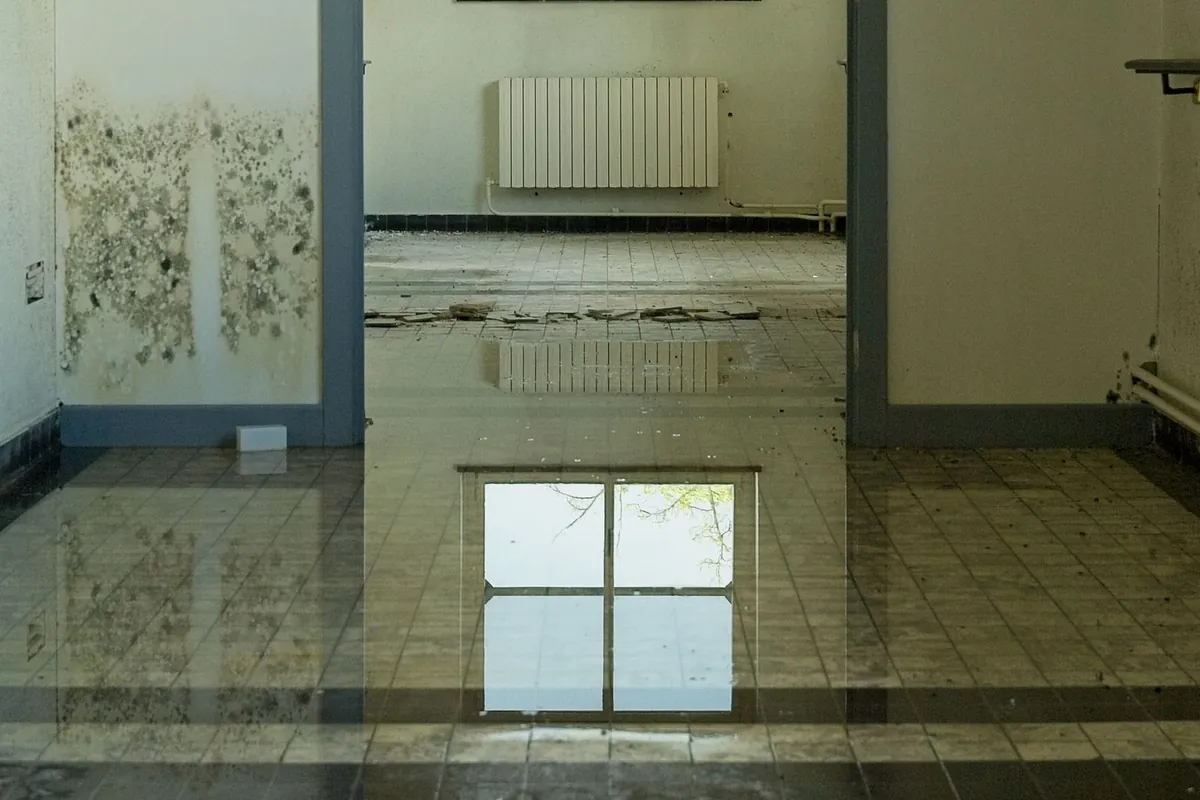 Mold RemediationContained, S520-based mould removal that starts with fixing the moisture source — and honest advice when no big job is needed.
- Repairs & RebuildRooms put back after drying: drywall, flooring, trim and cabinets from an itemised written scope.
 Slab Leak RepairMoisture mapping, drying and documentation for leaks under concrete slabs in slab-on-grade Arizona homes.
What a visit looks like in Mesa
A Mesa visit typically starts at the shutoff and the water heater, then works outward through the wet rooms with meters at the baseboards, because so many local losses begin with a tired component rather than a dramatic burst. In East Mesa resort residences we add checks beneath the home and around shower and tub surrounds, and we ask early about occupancy patterns so the drying plan reflects how long the water may have been moving. Photo documentation runs throughout, which matters when an owner is out of state and following the job from a distance.
Safety first
we check for electrical hazards, sagging ceilings and contaminated water before anything else.
Source stopped
we confirm the leak or supply line is shut off so no new water is entering the structure.
How far the moisture travelled
we take meter readings and build a moisture map of every affected room and material.
What dries in place vs what comes out
we explain what can be dried safely in place and what needs to be removed, and why.
Neighbourhoods we cover in Mesa
Downtown Mesa carries the older end of the city housing story, with earlier framing and longer plumbing histories than the eastern subdivisions. Eastmark represents the newest master-planned growth, where losses more often involve appliance and heater connections than original pipe, while Las Sendas and Red Mountain bring foothill-edge homes with multi-level layouts that let water travel between floors. Alta Mesa sits in the established middle, where the 1989-era pattern of ageing supply lines is a familiar reason for a call.
- Downtown Mesa
- Eastmark
- Las Sendas
- Red Mountain
- Alta Mesa
- 85201
- 85202
- 85203
- 85204
- 85205
- 85206
- 85207
- 85208
- 85209
- 85210
- 85212
- 85213
- 85215
A home of that age deserves attention because its plumbing has served for more than three decades and Mesa stock from that period can fall within the polybutylene era. That does not mean failure is certain, only that valves, hoses and supply lines should be inspected and replaced on condition rather than on hope.
Mesa reports different hardness levels by water zone, with the Eastern and Southern zones running harder than the City Zone, so two heaters in the same city can scale at noticeably different rates. Harder water leaves more mineral build-up in the tank and on fittings, which shortens service intervals.
Start by shutting off the water if active leaking is possible, then photograph every affected room before moving belongings, because the condition on arrival is important evidence of a long-running loss. Ventilate only if the air outside is dry and the property is secure, and avoid removing flooring or wall material yourself.
Also serving nearby
Water where it shouldn't be in Mesa?
One call tells us what happened, where you are, and what the water touched — and gets the drying started before the damage spreads.
Tell us what happened
Call, or send the form and we'll call you back. If water is still spreading, shut the water off at the main if you can do it safely — then call.
- Phone(855) 981-1210
- Address6900 N 21st Ave, Phoenix, AZ 85015
- Coverage25 Arizona cities — see the service map