Leak & Burst Pipe Cleanup in Arizona
A slow leak and a burst pipe leave the same problem behind: water inside walls, cabinets and floors. We clean up after the release, dry what it reached, and document the loss from the source outward.
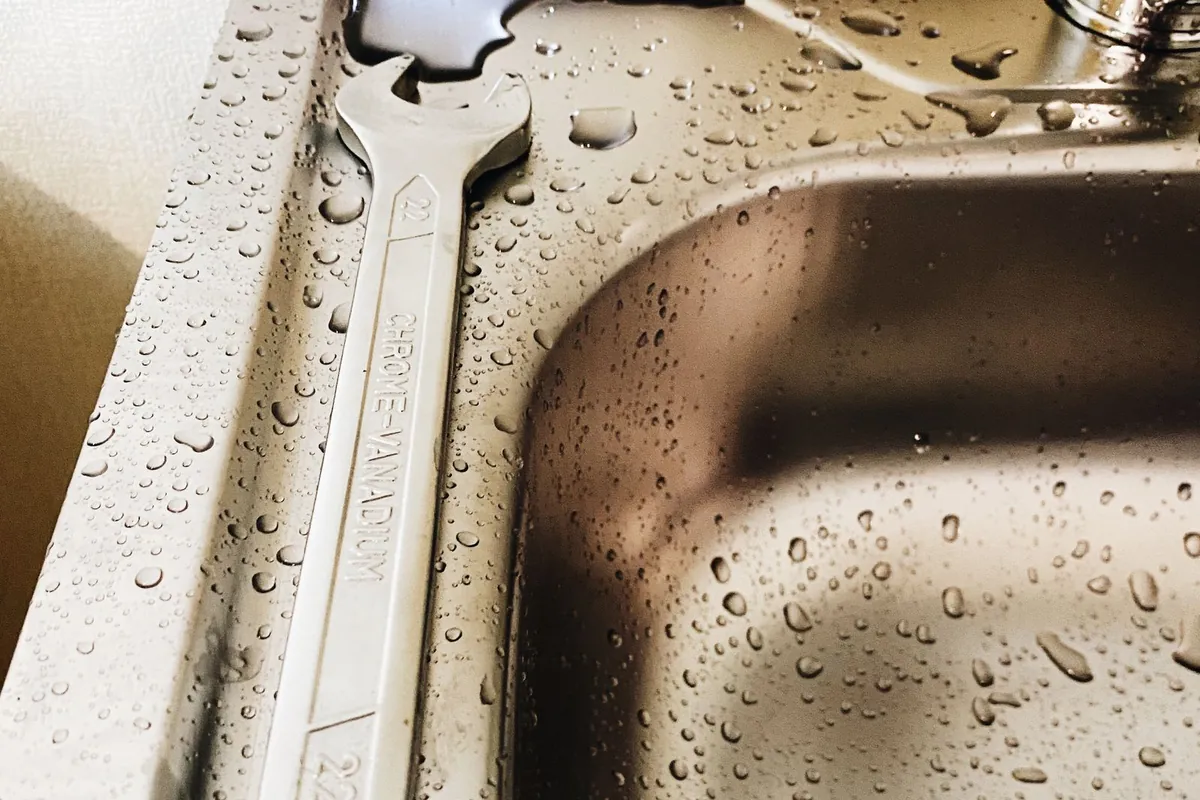
Illustrative photo — a wrench left on a wet sink mid-repair; heaters, sinks and supply lines are common sources of leak cleanup calls.
- Measured dryingDaily moisture readings guide every drying decision.
- Written scope firstYou see the itemised scope before work begins.
- Photo recordsPhotos and logs from first visit to final walkthrough.
- Homes and businessesHouses, rentals, offices, shops and restaurants.
The short answer
Leak and burst pipe cleanup is the work after a plumbing release is stopped: removing standing water, cleaning affected surfaces, drying walls, cabinets and floors to a verified standard, and documenting the source and damage with photos and readings. The plumbing repair and the cleanup are separate jobs, and both records matter for insurance and for preventing mould.
Plumbing releases are the most common way Arizona homes get wet. Supply lines to toilets, sinks, washing machines and refrigerators fail, water heaters let go in garages and closets, and appliance lines split quietly behind machines that are rarely moved.
Two pipe materials deserve honest attention in Arizona homes of certain ages. Polybutylene pipe, installed from 1978 to the mid-1990s — the Cox v. Shell class settlement was in 1995 — is the grey plastic pipe many inspectors still flag on sight. Grey polybutylene in a home of that era is an inspection item worth discussing with your plumber, because its failure history is well documented.
Hard water is a separate effect and should not be confused with pinholes. Scale build-up from hard water shortens the life of water heaters, valves and appliances, and Phoenix water is reported at 10 to 17.6 grains per gallon in the city 2025 water quality report. Scale does not cause copper pitting, and we will not tell you it does.
What's included
- Standing water and surface cleanup Once the release is stopped, standing water is extracted and affected hard surfaces are cleaned.
- Cabinet, wall and floor assessment Leaks hide where they start: inside sink cabinets, behind washing machines, under water heaters and inside the wall behind the fitting.
- Measured drying of affected materials Wet materials are dried under the same discipline as any structural drying job — air movement and dehumidification placed from a moisture map, readings logged daily, and verification against a dry standard from an unaffected area.
- Documentation of source and damage Your record links the source to the damage: photographs of the failed line or appliance, the rooms and materials affected, opening and closing moisture readings, and a written scope prepared before cleanup expands.
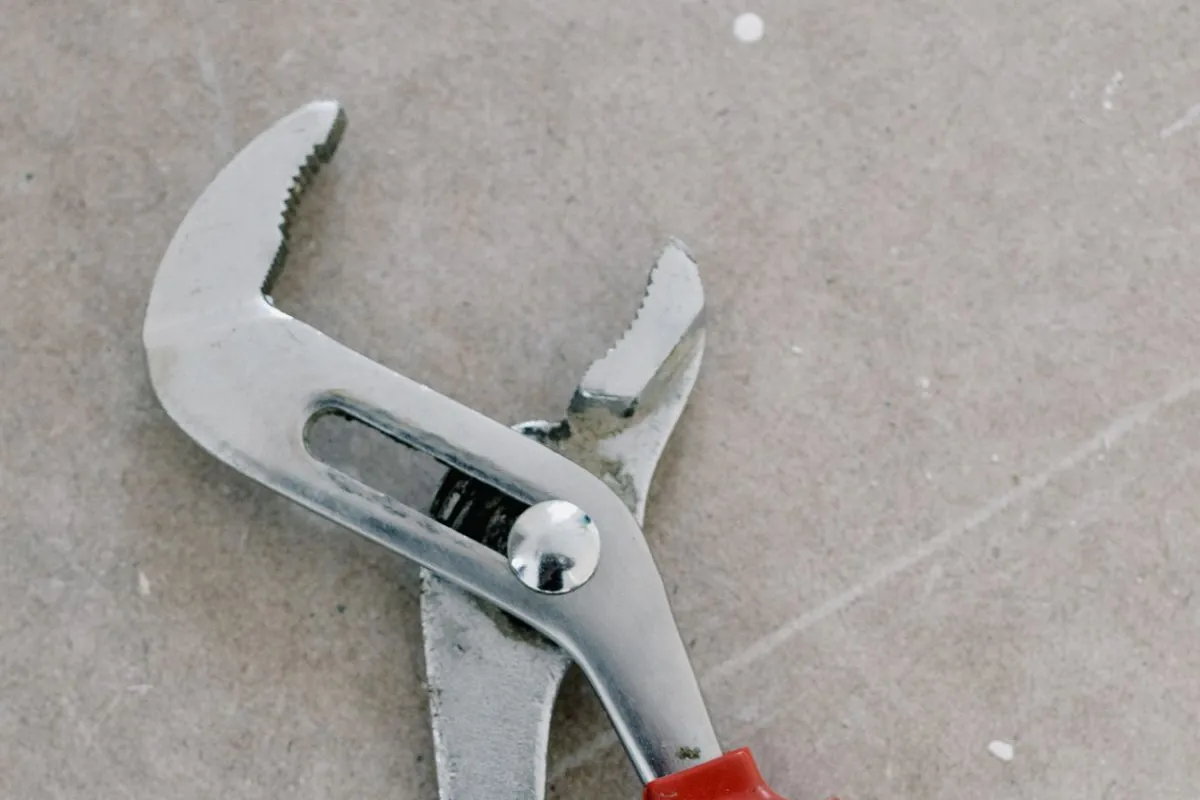
Slow leaks cause quiet, expensive damage
A burst pipe announces itself. A slow leak does not. By the time paint bubbles or a cabinet floor sags, the wall cavity behind it may have been wet through many cycles, and materials that could have been dried in the first days may now need removal.
That is why our assessment asks about duration as carefully as source: when a stain first appeared, whether a water bill changed, whether a floor felt soft or a room smelled musty. Those details go in the record.
- Musty odour in a cabinet or closet often precedes a visible stain
- Bubbling paint and swollen baseboards suggest a cavity wet for some time
- Particleboard cabinet bases fail early — they swell and do not recover
- A rising water bill with no visible leak points to a hidden supply release
- Duration, not just volume, decides whether materials can be dried or must go
Pipes and materials we see in Arizona homes
Homes built between 1978 and the mid-1990s may still carry grey polybutylene supply pipe.
Copper pinholes need the same straight treatment. A single pinhole can be bad luck; a pattern of them points to internal pitting corrosion, and patching each new hole without asking why they are forming is rarely the end of the story. Water chemistry, turbulence at fittings and installation factors all play a part.
- Grey polybutylene, 1978 to mid-1990s, is an inspection item, not a panic item
- Copper pinholes come from internal pitting corrosion — ask why, not just where
- Phoenix water at 10 to 17.6 grains per gallon drives scale, a separate issue
- Water heater and appliance lines are routine release points — check them yearly
From first call to dry standard
Stop the water and call
Shut off the fixture valve or the main if water is still running, kill power to wet areas if water is near outlets, and call (855) 981-1210.
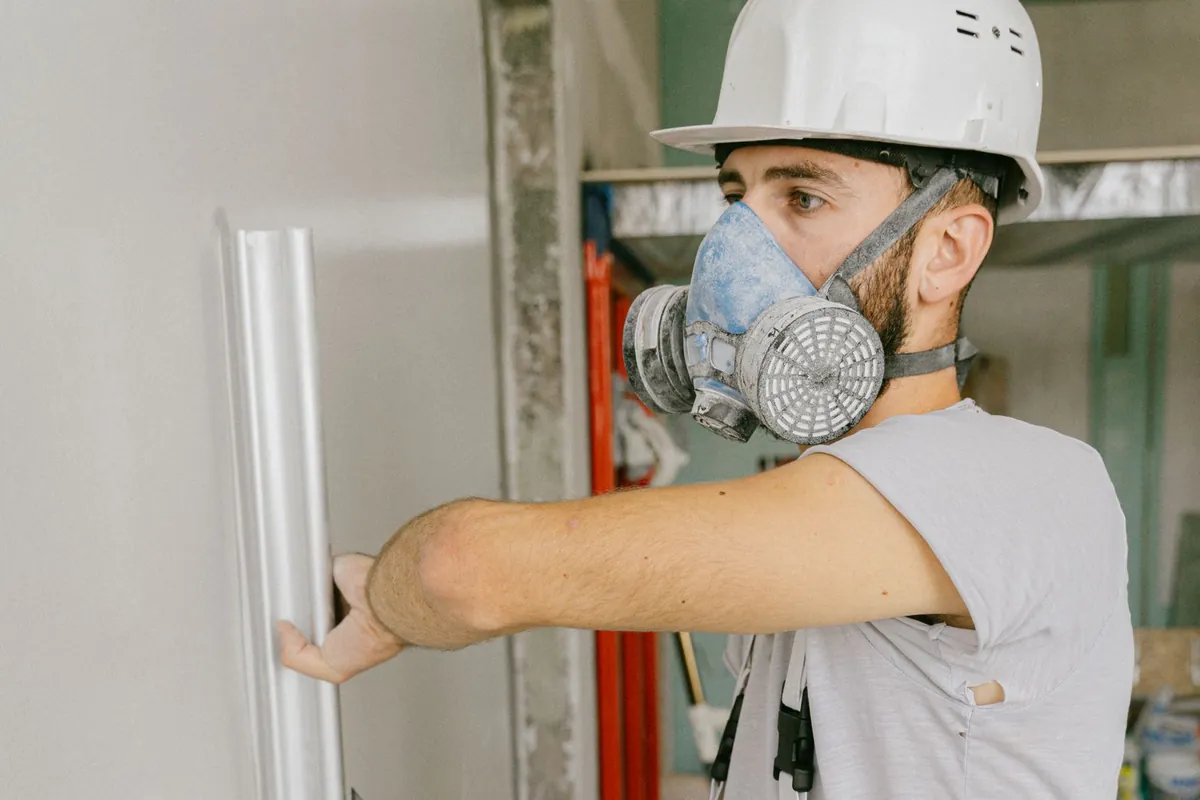
Source and damage assessment
We photograph the source, confirm the release is stopped, set the water category, and read moisture in cabinets, walls, floors and adjoining rooms. Slow leaks get a wider reading pattern than the stain suggests.
Extraction and cleanup
Standing water is extracted, affected surfaces are cleaned, and unsalvageable wet materials identified in the scope — such as broken-down cabinet bases or contaminated insulation — are removed and photographed.
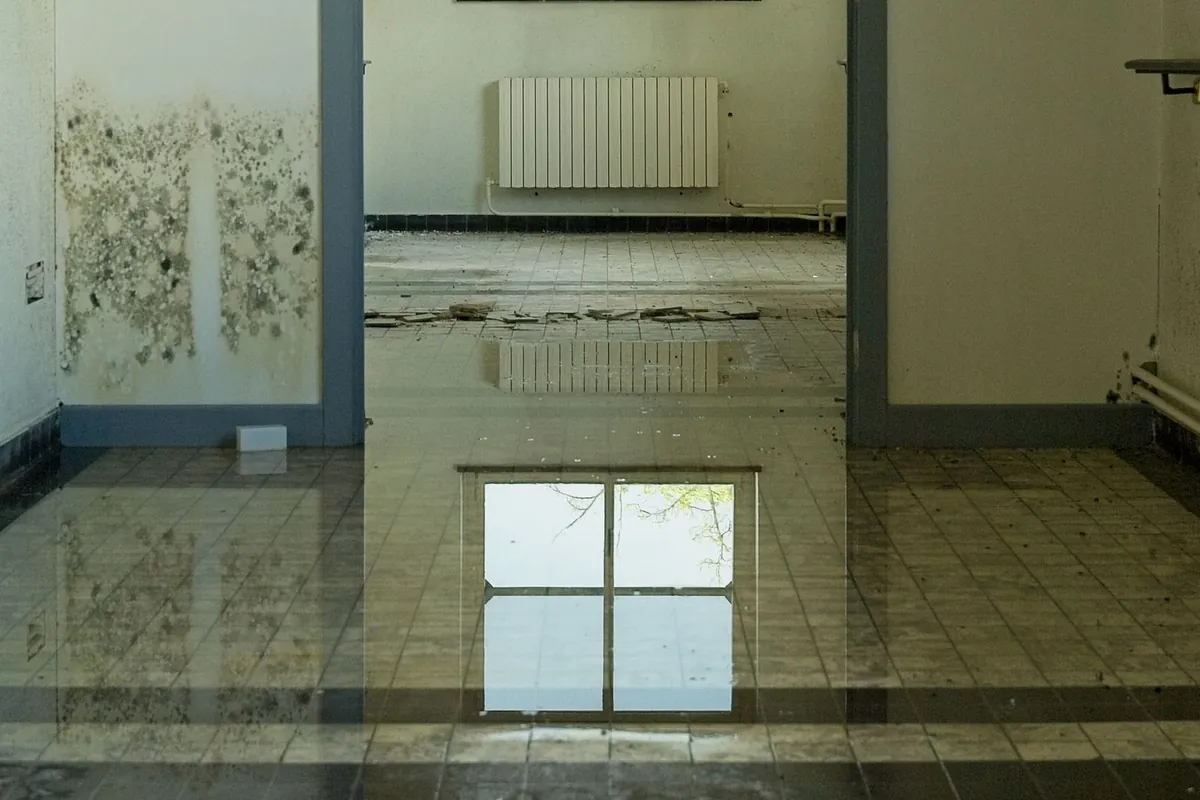
Measured drying
Air movers and dehumidifiers are placed from the moisture map, with cavity drying where readings require it. We return daily to re-read marked points, adjust equipment, and log progress against the dry standard.
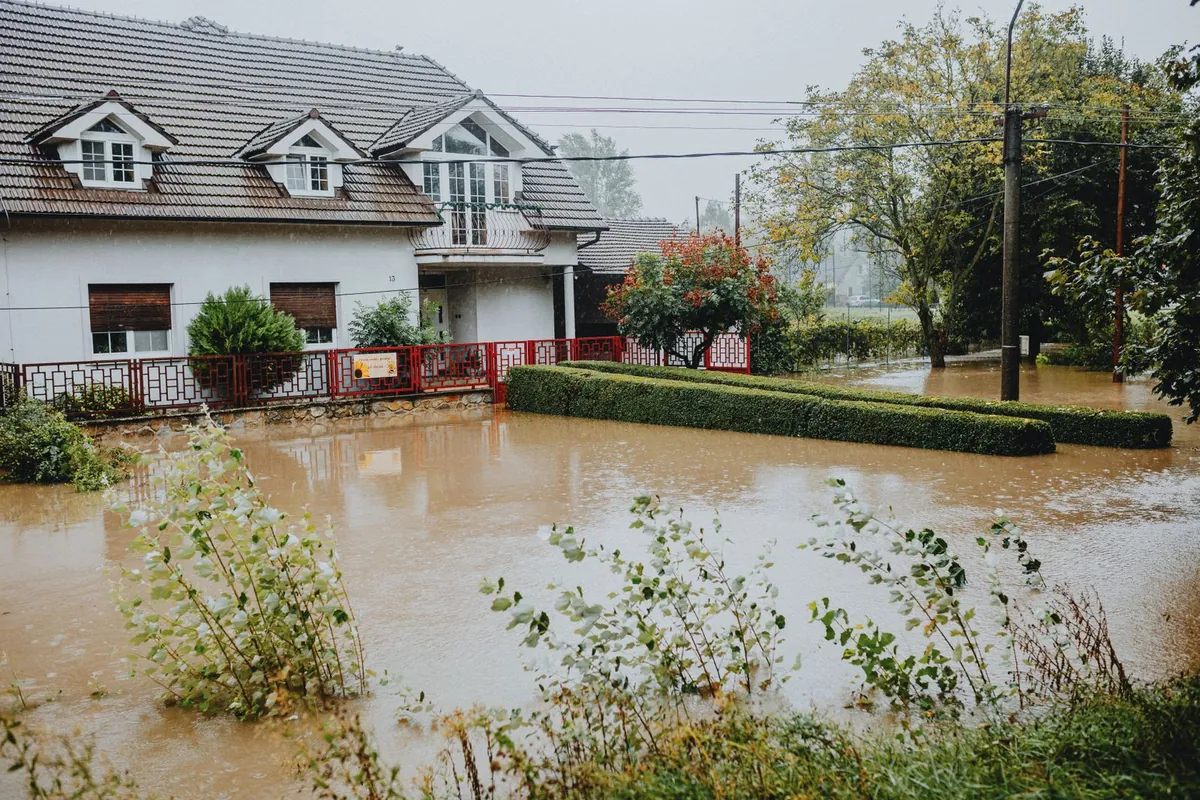
Verification and repair handover
When readings verify dry, we complete a final check of the source area, adjoining cavities and floors, and close the documentation: source photos, readings, daily logs and the final scope.
The cleanup and the plumbing repair are separate trades. Our work is the building: extraction, cleaning, drying, documentation and the repair of water-damaged materials covered in the scope. A plumber repairs or replaces the failed line itself. We coordinate timing so drying is not delayed, and we document the source clearly for both the plumber and your insurer.
A small release can still need drying if it reached porous materials. Water that stayed on tile for an hour is different from water that ran inside a wall or under a cabinet for a week. We decide from moisture readings, not from the size of the puddle, and we will tell you honestly when readings show a room has dried on its own.
Polybutylene is a grey plastic supply pipe installed from 1978 to the mid-1990s. It has a documented failure history and was the subject of the Cox v. Shell class settlement in 1995, so inspectors flag it in homes of that era. Worry is not required, but assessment is sensible: ask a plumber to evaluate the system if your home still carries it.
No, hard water scale and copper pinholes are separate problems. Pinholes come from internal pitting corrosion shaped by water chemistry, turbulence and installation. Scale, driven by hardness such as Phoenix water at 10 to 17.6 grains per gallon, mainly harms water heaters, valves and appliances. Treating one problem will not fix the other, so the diagnosis matters before money is spent.
Coverage for slow leaks depends entirely on your policy wording. Many policies treat sudden releases differently from long-running leaks they consider maintenance, which is why duration and documentation matter so much. Photograph everything, keep our readings and timeline, and notify your insurer early. We provide a complete record, but the coverage decision is always your insurer to make.
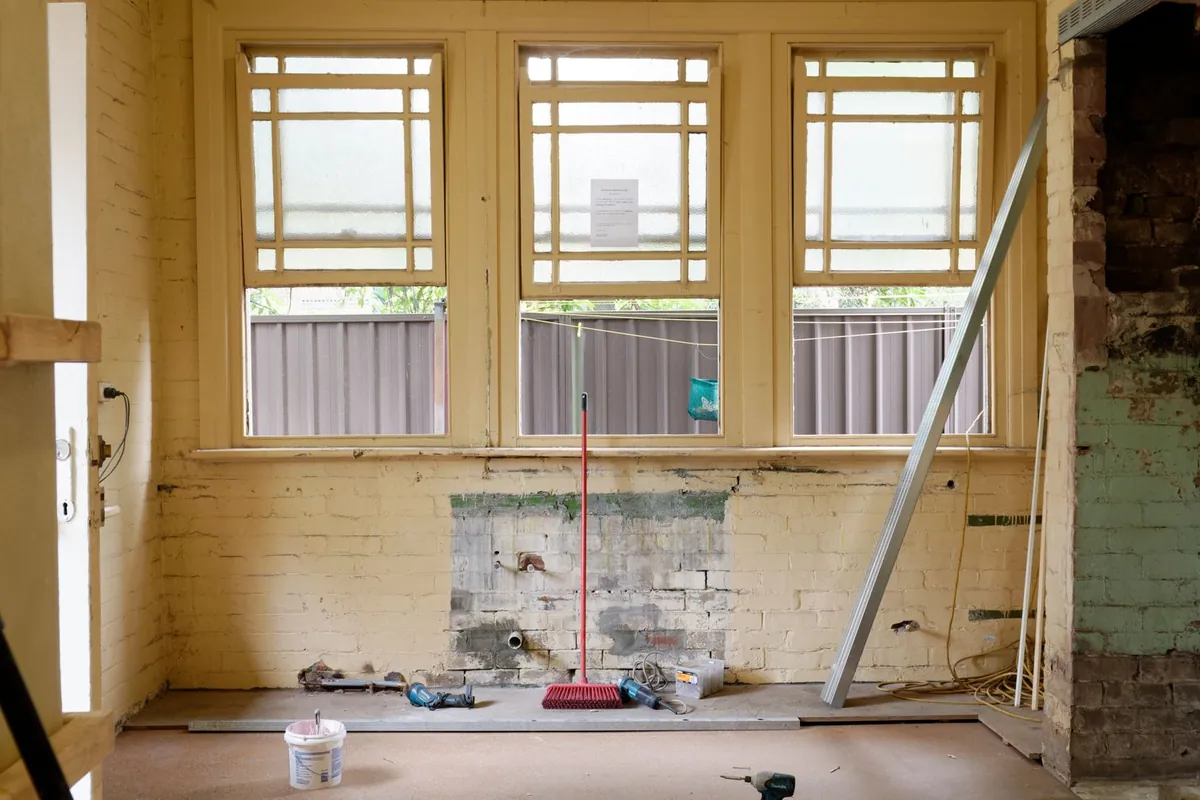
Water where it shouldn't be?
One call tells us what happened, where you are, and what the water touched — and gets the drying started before the damage spreads.
Tell us what happened
Call, or send the form and we'll call you back. If water is still spreading, shut the water off at the main if you can do it safely — then call.
- Phone(855) 981-1210
- Address6900 N 21st Ave, Phoenix, AZ 85015
- Coverage25 Arizona cities — see the service map