Mold Remediation in Arizona
Mould follows moisture, so remediation starts with the water source, not the stain. We contain the work area, remove growth under negative air, and scope honestly — not every stain is a remediation job.
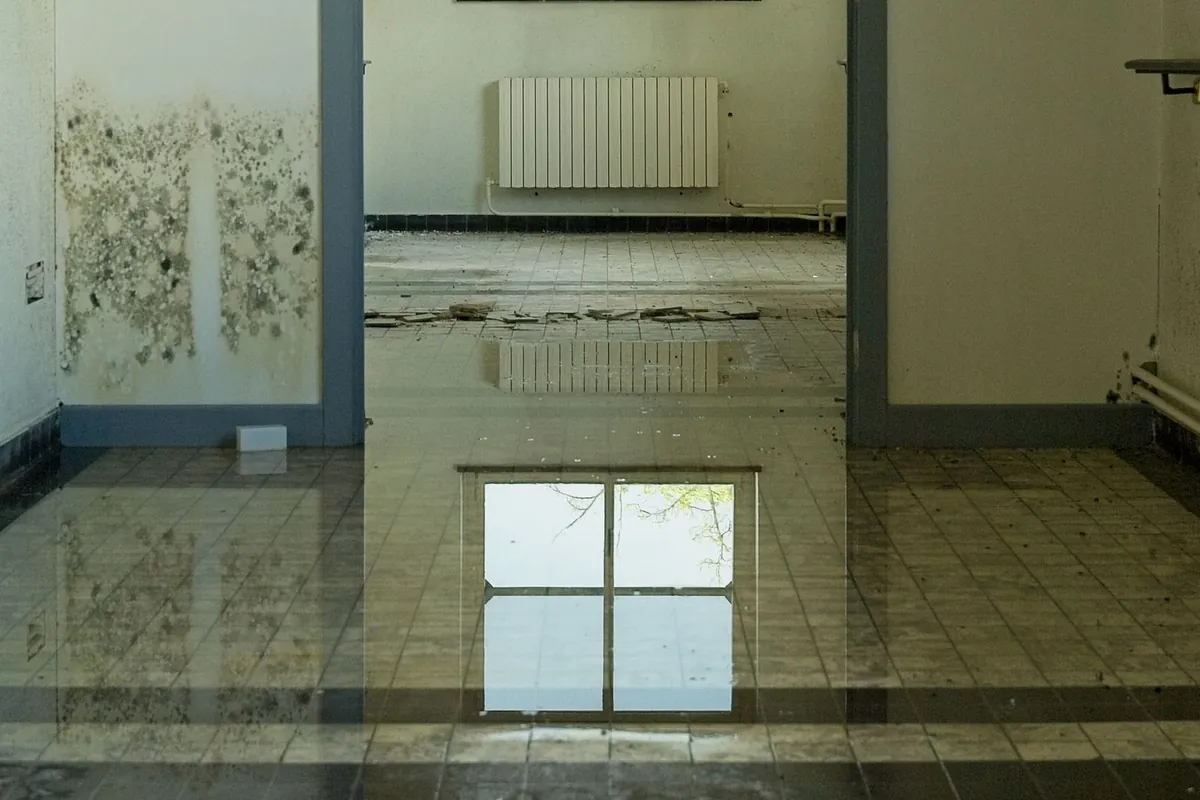
Illustrative photo — mould growth on a wall where water sat too long; containment goes up before removal begins, so clean rooms stay clean.
- Measured dryingDaily moisture readings guide every drying decision.
- Written scope firstYou see the itemised scope before work begins.
- Photo recordsPhotos and logs from first visit to final walkthrough.
- Homes and businessesHouses, rentals, offices, shops and restaurants.
The short answer
Mold remediation is the contained removal of mould growth and the materials it has colonised, after the moisture source feeding it has been stopped. Proper remediation uses containment and negative air, follows ANSI/IICRC S520 principles, cleans remaining surfaces, and verifies the area is dry, because growth returns wherever moisture remains, however thoroughly the visible mould was removed.
Arizona is dry, and Arizona homes still grow mould — inside the places water hides. A slow supply-line leak inside a wall, an air conditioning condensate problem, a shower that has wicked into backing board for years, or a water loss that was extracted but never dried to a standard: each one keeps a small area wet long enough for growth.
Two honesty points belong up front. First, Arizona has no separate state mould licence — no such credential exists, and you should be wary of anyone implying they hold one. The credential that matters is training in the standard the work follows, ANSI/IICRC S520, together with proper containment practice. Second, not every stain is a remediation job.
Where growth is extensive, inside wall cavities, or in the air handling system area, the work changes scale. Larger demolition and rebuild work — work over 1,000 dollars in total, or needing a permit — is licensed contracting work in Arizona under the Registrar of Contractors, separate from remediation itself.
What's included
- Moisture source investigation We trace growth to the water feeding it using moisture readings in walls, cabinets, floors and ceilings around and beyond the visible area. A remediation scope written before the source is known is guesswork.
- Containment and negative air Before any material is disturbed, the work area is sealed with sheeting and placed under negative air pressure with filtered exhaust. This keeps spores released during removal from drifting into clean rooms and the rest of the home.
- Removal of colonised materials Porous materials that mould has grown into — drywall, insulation, carpet, particleboard — are cut out, bagged inside containment and removed, because surface cleaning cannot reach growth rooted inside them.
- Cleaning, drying and verification After removal, the contained area is detail-cleaned, HEPA vacuumed and left dry, verified by moisture readings against a dry standard. We photograph each stage and record the scope actually performed.
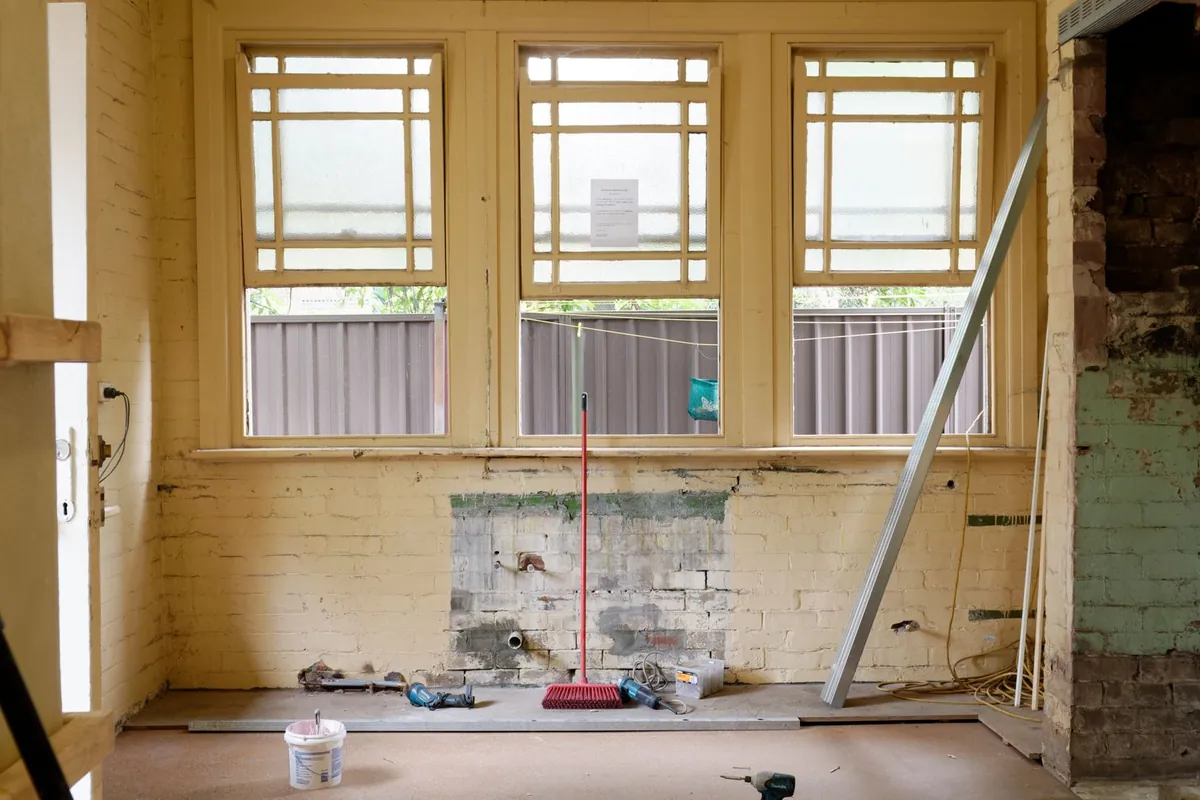
An honest word about scope and testing
Mould work attracts upselling, so here is the anti-upsell version. A small area of surface growth on tile grout, a window frame or a bathroom ceiling after a ventilation problem is usually a cleaning and moisture-fix job. Growth inside wall cavities, across large areas of drywall, or returning repeatedly in the same place is a remediation job.
Testing has a proper place and a limited one. Air sampling cannot tell you whether a hidden cavity is colonised, and a test result without an inspection is hard to act on.
- Not every stain is a remediation job — small surface growth may need cleaning only
- Arizona has no separate state mould licence; S520 training is the relevant standard
- Independent assessment is wise when scope is disputed — assessor and remover should differ
- Never accept bleach-and-paint over active growth as a remedy
- If the moisture source is not fixed, no remediation result will last
Where Arizona homes grow mould
The locations repeat from job to job. Bathroom walls and shower surrounds wick moisture for years behind tile that still looks sound. Air conditioning systems in a long Arizona summer produce condensate daily, and a blocked or leaking condensate line wets ceilings and closets quietly.
Each of those is a water problem first. Our remediation scopes therefore always pair the removal work with the moisture fix and the drying verification, and they note the likely source in writing.
- Showers and tub surrounds wick moisture behind sound-looking tile
- AC condensate lines are a uniquely Arizona summer moisture source
- Cabinets and appliance connections leak slowly and out of sight
- Closed-up seasonal homes let small leaks run undisturbed for months
From first call to dry standard
Inspection and moisture tracing
We inspect the visible growth and read moisture in the surrounding and adjoining materials to find the source and the true extent.
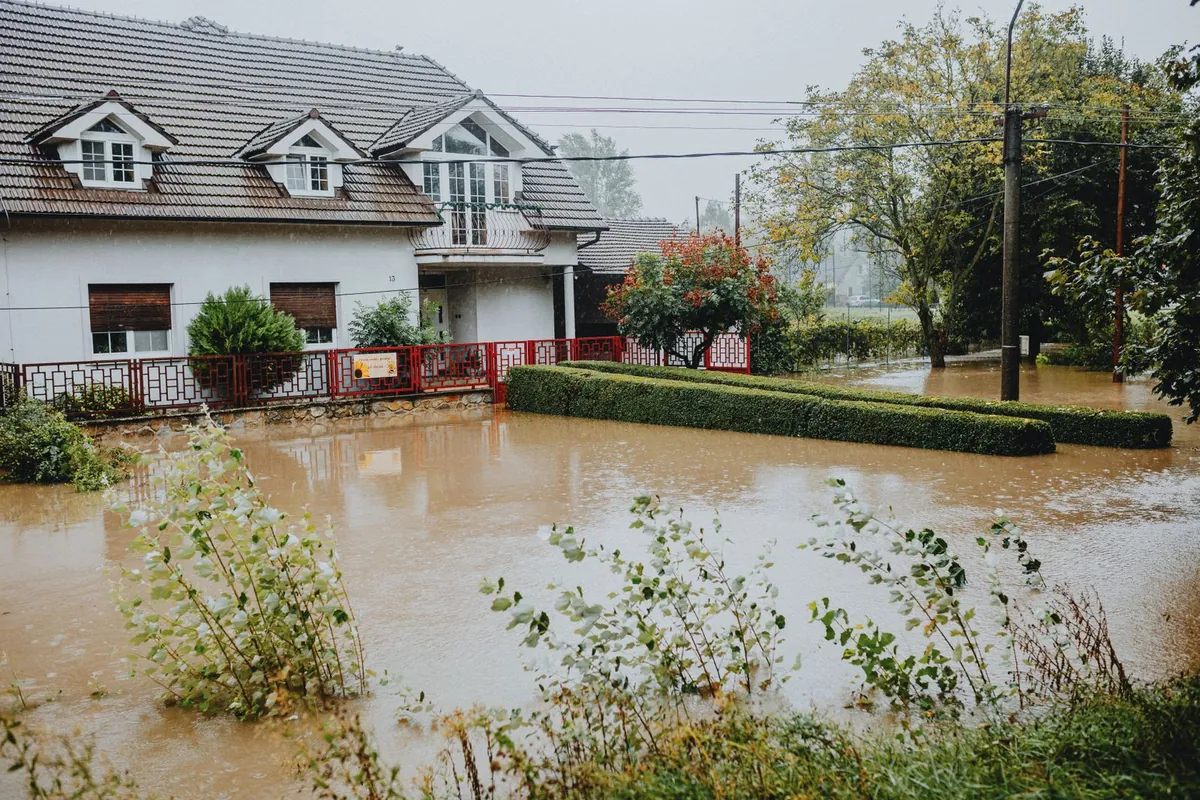
Written scope and containment plan
The written scope covers the source fix, containment boundaries, materials to be removed, cleaning methods, drying and verification, prepared before work begins.
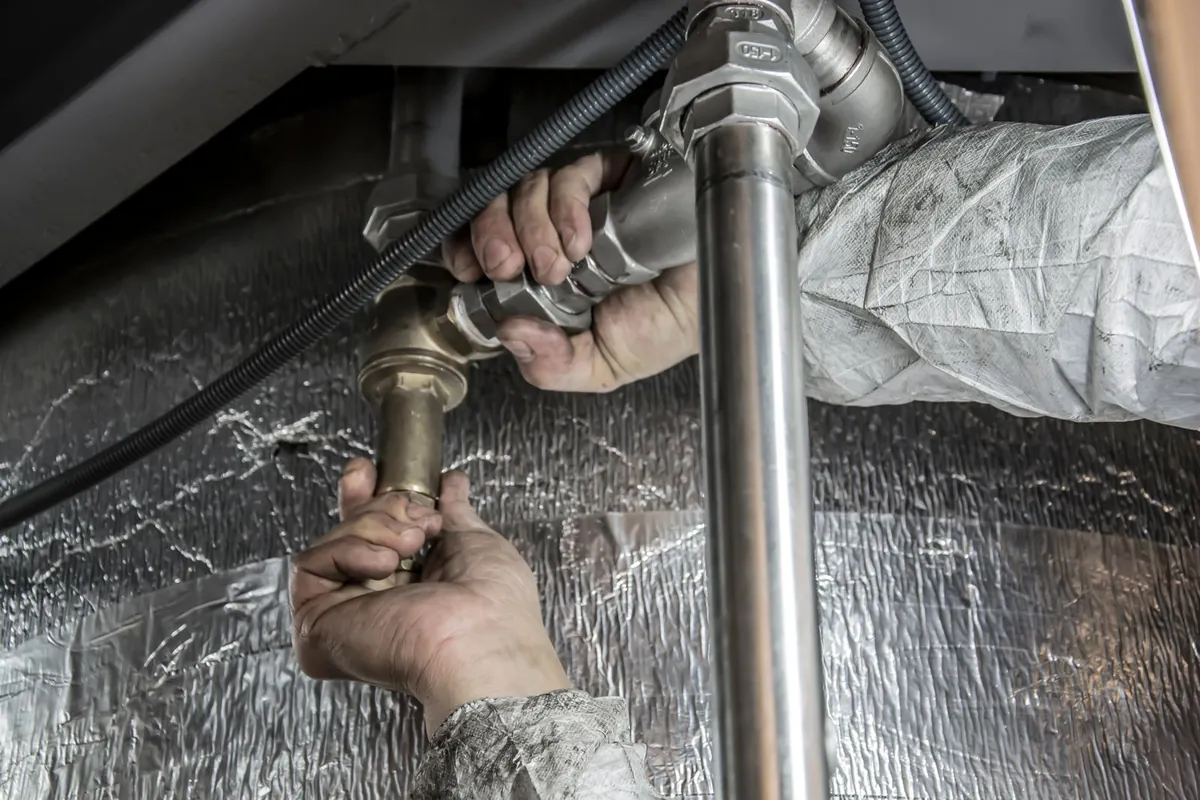
Containment and negative air setup
Sheeting seals the work area, negative air machines with filtration are set running, and a clean entry path is established. Only then is any colonised material touched.
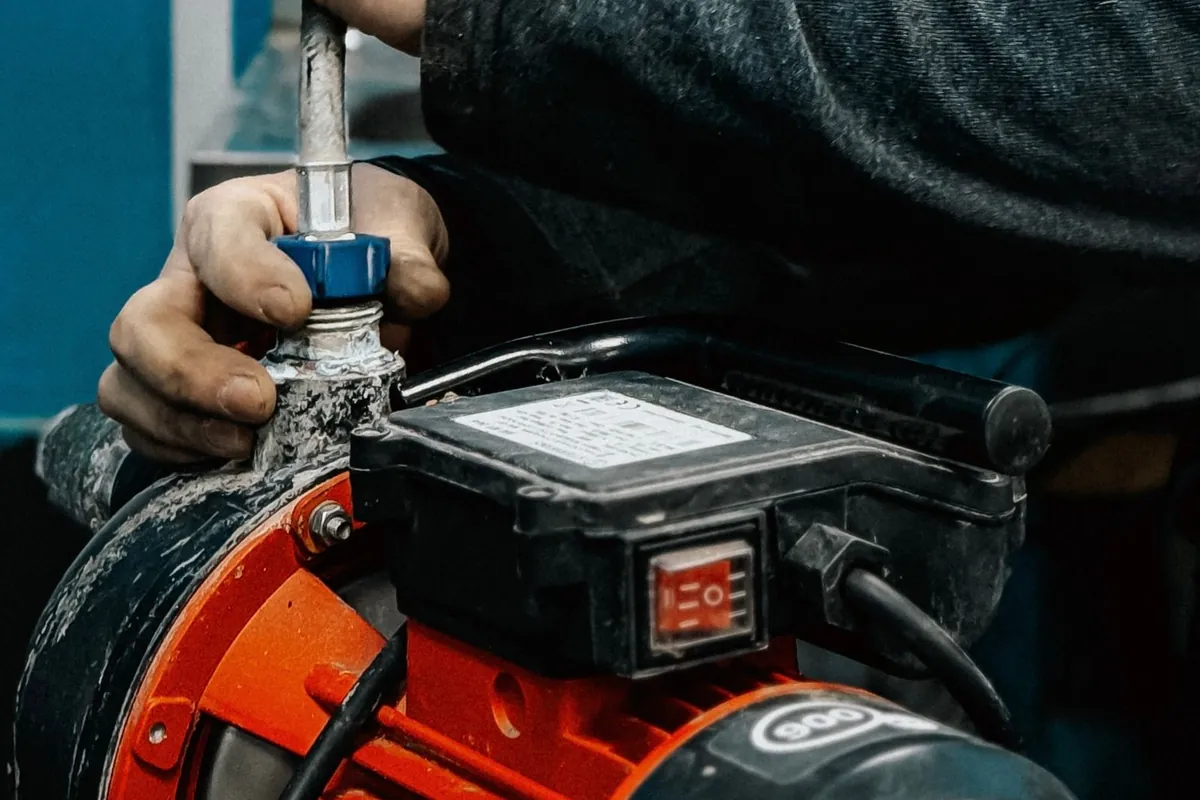
Removal and cleaning
Colonised porous materials are cut out and bagged inside containment.
Drying verification and handover
The opened area is dried and verified by moisture readings against a dry standard, containment is removed only after final cleaning, and you receive the full record: source findings, photographs, scope, materials removed and closing readings.
No, Arizona has no separate state mould licence to check. Anyone implying they hold one is describing a credential that does not exist. What matters is training in ANSI/IICRC S520, the standard for mould remediation, proper containment practice, and — for demolition or rebuild work over 1,000 dollars or needing a permit — an Arizona ROC contracting licence for that portion.
No, bleach and paint do not remediate active growth. Bleach does not reach growth rooted inside porous materials like drywall, and paint seals colour in while the colony and its moisture source continue behind the surface. The growth returns, often worse and now hidden. Proper remediation removes colonised material under containment, cleans what remains, and fixes the moisture source.
Testing is not always needed before remediation. Visible growth with an identified moisture source usually needs removal and drying, not a lab report. Testing earns its place when scope is disputed or documentation is needed for a transaction or claim — and then it should be done by an independent assessor, not by the company selling the removal work.
Small surface growth on non-porous surfaces is a reasonable cleaning job for most homeowners. Wear gloves and ventilation, clean the surface, fix the moisture, and dry the area fully. Leave contained, in-wall, large-area or HVAC-adjacent growth alone — disturbing it without containment spreads spores through the home. If growth keeps returning in the same place, a hidden moisture source needs finding.
Mould returns only where moisture returns. Remediation removes the existing growth and colonised material, and the scope includes stopping the source and verifying materials dry by meter readings. If the same leak, condensation problem or undried material remains, growth in that spot is a matter of time. That is why the source fix is written into every remediation scope we produce.
Water where it shouldn't be?
One call tells us what happened, where you are, and what the water touched — and gets the drying started before the damage spreads.
Tell us what happened
Call, or send the form and we'll call you back. If water is still spreading, shut the water off at the main if you can do it safely — then call.
- Phone(855) 981-1210
- Address6900 N 21st Ave, Phoenix, AZ 85015
- Coverage25 Arizona cities — see the service map