Repairs & Rebuild in Arizona
After drying verifies complete, we put the rooms back: drywall, texture, paint, flooring, baseboards and cabinets, built from an itemised written scope so you can see exactly what you are paying to restore.
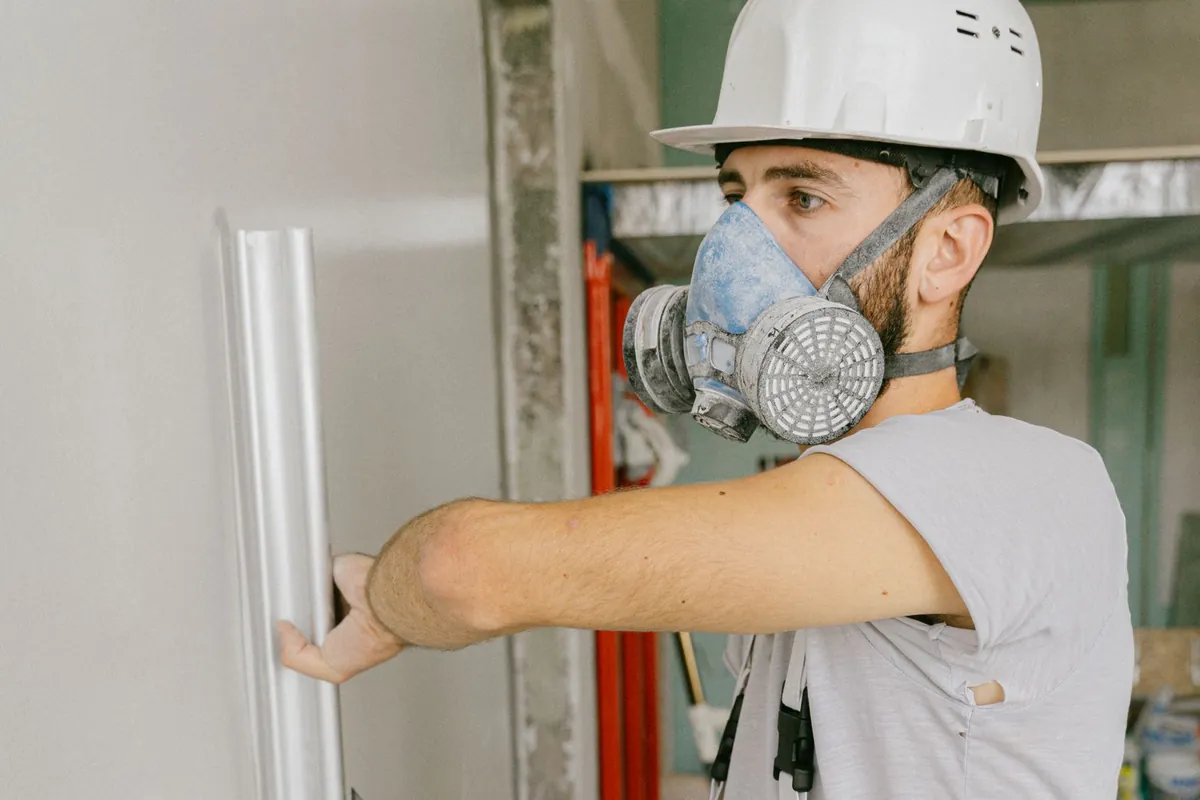
Illustrative photo — drywall repair after water damage, once drying has verified complete.
- Measured dryingDaily moisture readings guide every drying decision.
- Written scope firstYou see the itemised scope before work begins.
- Photo recordsPhotos and logs from first visit to final walkthrough.
- Homes and businessesHouses, rentals, offices, shops and restaurants.
The short answer
Repairs and rebuild is the construction work that follows verified drying: replacing removed drywall, insulation, flooring, baseboards and cabinets, then texture and paint, so rooms return to their pre-loss condition. In Arizona this work sits under Registrar of Contractors law, and every job should start from a written, itemised scope you can check line by line.
Drying is the middle of a water loss, not the end. Rooms are left with flood cuts in drywall, missing baseboards, lifted flooring, open toe-kicks and cabinets removed or damaged.
Arizona law shapes how this work must be offered, and homeowners should know the shape of it. Under the Arizona Registrar of Contractors, contracting for repair and rebuild work requires an ROC licence. The handyman exemption is narrow: it covers only work under 1,000 dollars in total, minor in nature, where no permit is required — and a job cannot be split into smaller pieces to evade licensing.
Our protection for you is paperwork you can actually use: a written, itemised scope before work begins, line items that match the rooms and materials in your home, and photographs throughout. Water losses also hide damage — rot inside a wall base, delamination under flooring, a cabinet carcass soaked beyond its visible face.
What's included
- Drywall, insulation and texture Flood-cut and removed sections are replaced with new insulation and drywall, taped, floated and textured to blend with the surrounding wall as closely as new materials allow.
- Flooring and baseboards Water-damaged flooring sections — laminate, engineered wood, vinyl, tile backer and carpet where applicable — are replaced or reinstalled, and baseboards and trim go back after walls are finished.
- Cabinets and built-ins Cabinet bases, toe-kicks and side panels damaged by water are repaired or replaced according to the scope, and built-ins opened for drying are closed back up.
- Paint and finish work Repaired areas are primed with appropriate stain-blocking primer where water staining occurred, then painted to the room scope.
How Arizona licensing law protects you
The rules are worth knowing before you sign anything with anyone. Contracting for repair or rebuild work in Arizona requires an ROC licence.
Checking is free and takes minutes at roc.az.gov, where you can confirm a licence, its classification and its status. Do it for every contractor who quotes your rebuild, and be cautious with anyone who discourages the question. Unlicensed contracting is a class 1 misdemeanour under A.R.S.
- ROC licence required for contracting repair and rebuild work in Arizona
- Handyman exemption: under 1,000 dollars total, minor in nature, no permit required
- Jobs cannot be split into smaller pieces to evade licensing
- Unlicensed contracting is a class 1 misdemeanour under A.R.S. section 32-1164
- Check any licence free at roc.az.gov before signing
Scopes, supplements and hidden damage
A good rebuild scope reads like an inventory of your rooms: each wall, each flooring run, each cabinet component, with quantities. That itemisation is what lets you compare quotes honestly, lets an insurer match the scope against their estimate, and stops vague allowances from becoming arguments later.
Supplements are the normal mechanism for hidden damage, not a warning sign by themselves. Opening a wall or lifting flooring reveals conditions no pre-work inspection could price exactly: a rotted bottom plate, subfloor delamination, damage running further than readings first suggested.
- Every scope is written and itemised by room and material before work
- Hidden damage is photographed and supported with moisture readings
- Supplements arrive as revised line items for approval, not invoice surprises
- An insurer estimate and our scope can be compared line by line
From first call to dry standard
Dry verification check
Before any material is ordered, we re-read the areas to be rebuilt and confirm they sit at the dry standard.
Itemised written scope
You receive a written scope listing each room, wall, flooring area and component, with quantities and finishes.
Rebuild in sequence
Work proceeds in construction order: insulation and drywall, texture, prime and paint preparation, flooring, then baseboards, trim and cabinets, with finish paint last.
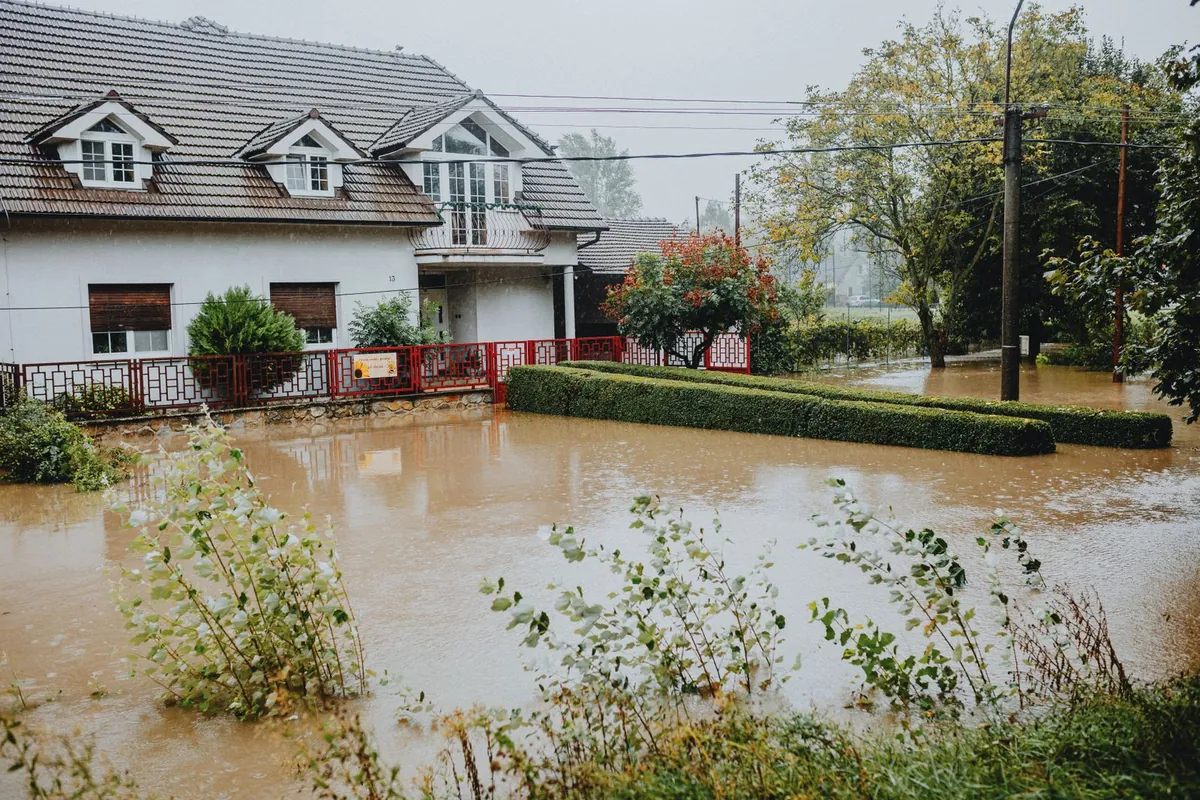
Supplements if hidden damage appears
If opening or building reveals damage outside the scope, work on that element pauses while we photograph it, take readings and prepare revised line items for your approval — and for your insurer where a claim is open.
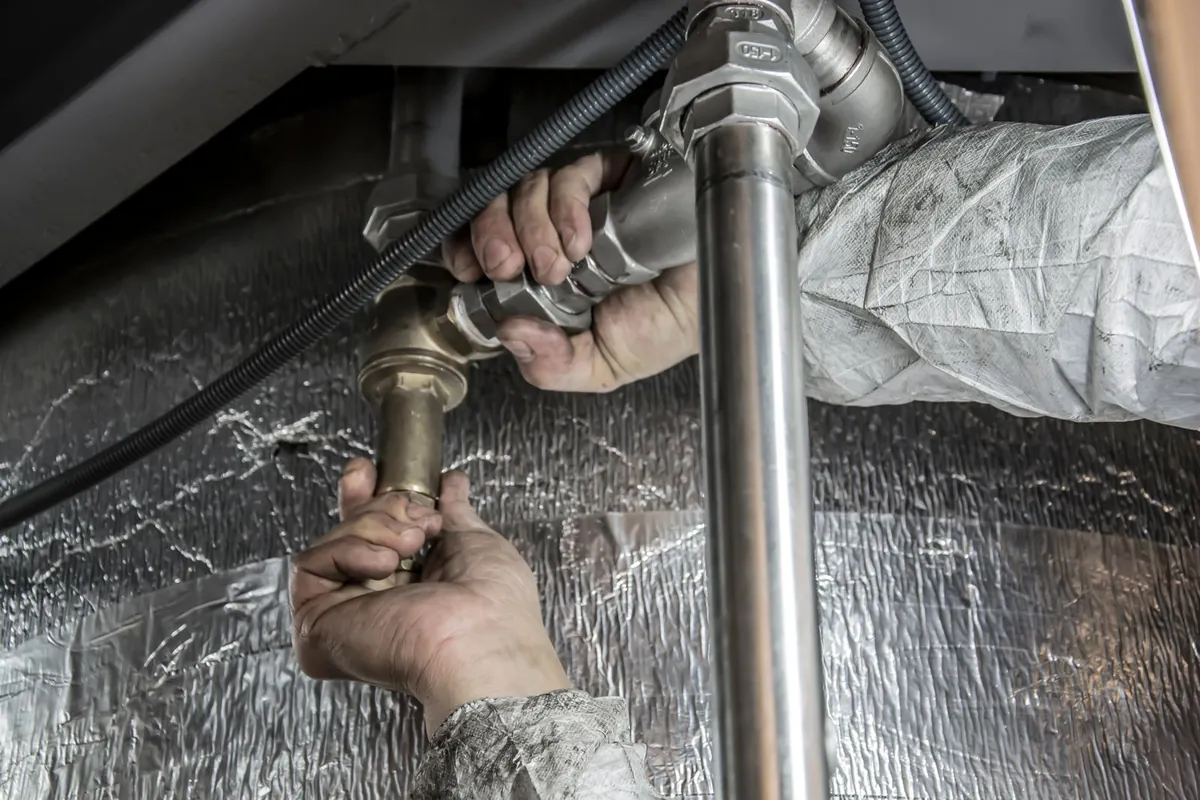
Final walk-through and file handover
We walk every repaired room against the itemised scope with you, note any touch-ups, and complete them before closing the job.
Rebuild starts when materials verify dry, not on a fixed day. Starting earlier traps moisture behind new drywall and under new flooring, which causes paint failure, cupped floors and mould. We re-read the structure before building and record those readings, so the start date rests on measurements in your file rather than on how dry the room looks or feels.
In Arizona, contracting for repair and rebuild generally requires an ROC licence. The only exemption is narrow handyman work: under 1,000 dollars total, minor in nature, and no permit required — and jobs cannot be split to fit under it. Most water damage rebuilds exceed that quickly. Check any contractor, free, at roc.az.gov before you sign a scope.
A supplement is a documented addition to the scope when hidden damage is found. Yes, it is routine in water losses, because walls and floors conceal conditions no inspection can price exactly. What matters is process: hidden damage should be photographed, supported by readings, priced as revised line items and approved by you before that work proceeds — never simply added to the final bill.
Texture and paint are matched as closely as new materials reasonably allow. Fresh drywall texture can be blended to the surrounding pattern, but lighting, paint age and sheen differences can leave a faint witness line on close inspection, and honest scopes say so in advance. Painting to a natural break — a corner or a full wall — usually gives the cleanest result.
Most homeowners stay in the home during rebuild work. We sequence rooms so essential spaces return to use as early as the construction order allows, protect unaffected areas, and agree working hours with you in advance. Larger flood rebuilds with several rooms open at once are more disruptive, and the scope discussion covers honestly what daily life will look like while work runs.
Water where it shouldn't be?
One call tells us what happened, where you are, and what the water touched — and gets the drying started before the damage spreads.
Tell us what happened
Call, or send the form and we'll call you back. If water is still spreading, shut the water off at the main if you can do it safely — then call.
- Phone(855) 981-1210
- Address6900 N 21st Ave, Phoenix, AZ 85015
- Coverage25 Arizona cities — see the service map